GE DF868 Ultrasonic Flowmeter
Model: DF868 / DF868-2-14-10000-0
Category: Clamp-On Ultrasonic Liquid Flow Meter
Manufacturer: Baker Hughes (formerly General Electric Panametrics)
Product Overview
The GE DF868 DigitalFlow Ultrasonic Flowmeter is a high-performance fixed-mount clamp-on flow measurement system designed for accurate and reliable monitoring of liquid flow in industrial pipelines. Using advanced transit-time ultrasonic technology, the DF868 measures flow externally without cutting the pipe, stopping production, or causing pressure loss.
This makes the DF868 an ideal solution for water, oil & gas, chemical, and energy applications where non-intrusive measurement and long-term reliability are critical.
Key Features of GE DF868 Flow Meter
Non-Intrusive Clamp-On Installation
- No pipe cutting or shutdown required
- No process contamination risk
- No pressure drop or moving parts
- Works on metal, plastic, and lined pipes
This dramatically reduces installation cost and maintenance compared to traditional flowmeters.
High Accuracy and Wide Measurement Range
- Velocity range: 0.03 to 12.2 m/s (0.1–40 ft/s)
- Pipe size range: 25 mm to 5 m (1 in – 200 in)
- Typical accuracy: ±1% of reading
- Excellent repeatability and long-term stability
Dual-Channel Measurement Capability
The DF868-2 configuration supports:
- Monitoring two separate pipes simultaneously, or
- Dual-path measurement on one pipe for higher accuracy.
This flexibility reduces equipment costs and improves system efficiency.
Advanced Data Logging & Communications
The transmitter includes a powerful built-in electronics platform:
- Dual LCD display with intuitive interface
- 43,000-point internal data logger
- Up to 12 analog outputs (4–20 mA)
- Alarm relays and pulse/frequency outputs
- Modbus and HART communication support
The DF868 integrates easily into DCS, PLC, and SCADA systems.
Energy Measurement Capability
When paired with temperature inputs, the DF868 can calculate:
- Thermal energy flow
- Heating and cooling system efficiency
- District energy performance
This makes it ideal for energy management and optimization.
Applications
The GE DF868 ultrasonic flowmeter is widely used across many industries:
Water & Utilities
- Drinking water distribution
- Wastewater treatment
- Chilled and hot water systems
- District heating and cooling
Oil & Gas Industry
- Crude oil and refined fuels
- Pipeline monitoring
- Offshore platforms
- Storage and transfer systems
Chemical & Process Industries
- Chemicals and solvents
- Glycol and cooling fluids
- Industrial process liquids
Model Code Breakdown
DF868-2-14-10000-0
| Code Segment |
Description |
| DF868 |
Fixed ultrasonic liquid flowmeter |
| 2 |
Dual-channel transmitter |
| 14 |
100–240 VAC power supply |
| 10000 |
Standard I/O package |
| 0 |
General-purpose enclosure |
Advantages Over Traditional Flowmeters
| GE DF868 |
Conventional Flowmeters |
| Clamp-on installation |
Pipe cutting required |
| No pressure loss |
Causes pressure drop |
| No moving parts |
Mechanical wear |
| Minimal maintenance |
Regular servicing needed |
| Works on large pipes |
Expensive at large diameters |
Why Choose the GE DF868?
The GE DF868 DigitalFlow Flowmeter offers a reliable, maintenance-free, and cost-effective solution for industrial liquid flow measurement. Its non-intrusive design, high accuracy, and powerful communication features make it a preferred choice for modern industrial facilities worldwide.
.jpg "GE DF868 / DF868-2-14-10000-0")
Main Brand:
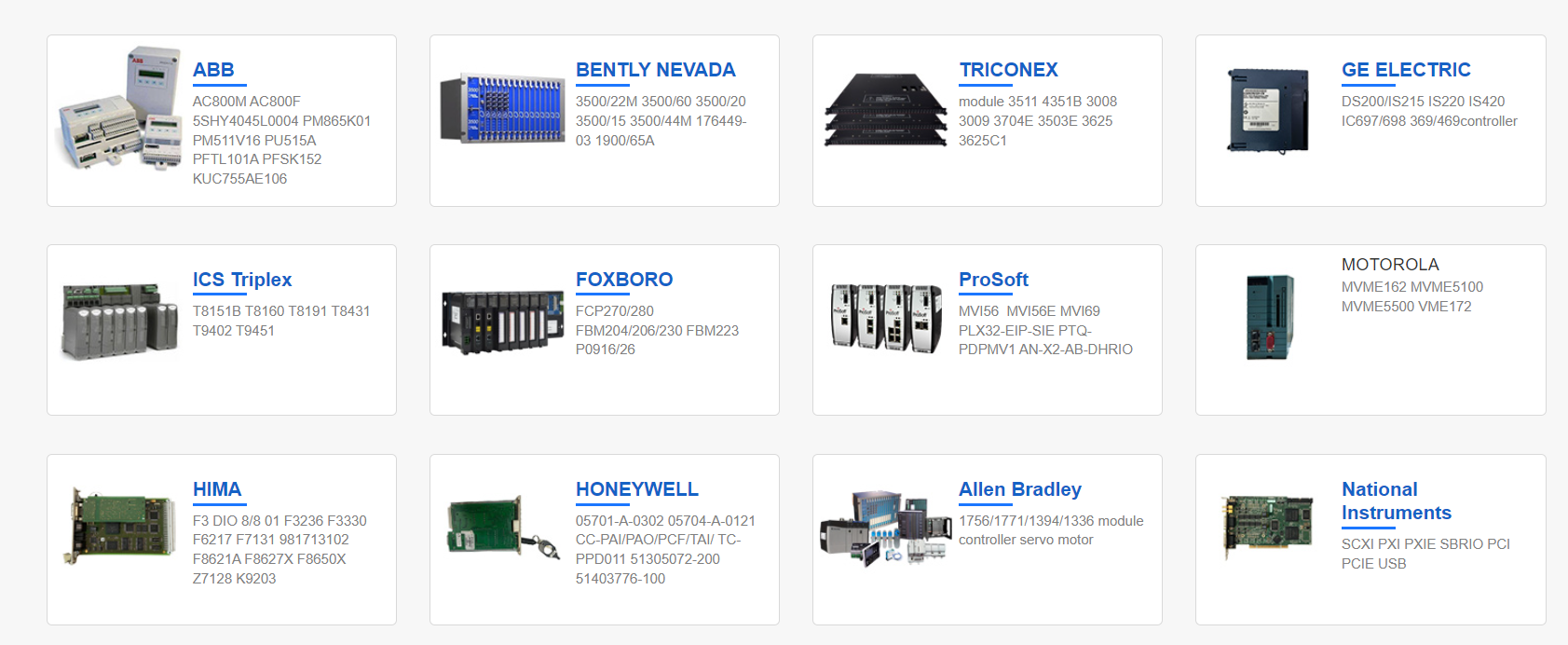
First hand source, affordable price. Spot inventory!
•Shipping Port: Xiamen
•E-mail: sales5@xrjdcs.com
•Tel: +8618250705533(WhatsApp)
•Ship to you via Fedex/DHL/TNT/UPS/EMS
•Package: Original packing with cartons
OUR FASTER DELIVERY RATE
Customer support responds quickly.
Partner network spans the globe.
Customers in 152 countries.
No matter where the user is in the world, SAUL ELECTRIC is committed to keeping your machine up and running as soon as possible.
What is a DCS?
A Distributed Control System (DCS) is a sophisticated, computer-based control system designed to automate, monitor, and manage complex industrial processes. It is widely used in large-scale industrial facilities such as refineries, power plants, chemical plants, and paper mills, where precision, reliability, and scalability are critical.
How Does a DCS Work?
A DCS is composed of several interconnected components that work seamlessly to ensure efficient process control. Here’s a breakdown of its key elements:
- Controllers:
These are the “brains” of the system. Controllers receive data from sensors, process it using pre-programmed logic, and send output signals to actuators to maintain optimal process conditions.
- Sensors:
Sensors act as the “eyes and ears” of the system, measuring critical physical parameters such as temperature, pressure, flow rate, and level. This real-time data is essential for accurate control.
- Actuators:
Actuators are the “muscles” of the system. They execute physical actions based on controller commands, such as opening/closing valves, starting/stopping motors, or adjusting dampers.
- Operator Stations:
These serve as the human-machine interface (HMI), allowing operators to monitor the process, adjust setpoints, and troubleshoot issues. Modern DCS systems often feature intuitive graphical interfaces for ease of use.
- Communication Network:
The backbone of the DCS, this network connects all components, enabling seamless data exchange and coordination. It ensures that every part of the system works in harmony, even across large industrial sites.
Why is a DCS Important?
- Centralized Control with Distributed Execution: A DCS allows for centralized monitoring while distributing control functions across multiple controllers, reducing the risk of system-wide failures.
- Scalability: It can easily expand to accommodate growing operational needs.
- Reliability: Redundant systems and fail-safes ensure continuous operation, even in critical environments.
- Efficiency: Optimizes processes, reduces waste, and improves overall productivity.


 English
 العربية


.jpg "GE DF868 DF868-2-14-10000-0(2)")
.jpg "GE DF868 DF868-2-14-10000-00(3)")







There are no reviews yet.