

 English
 العربية


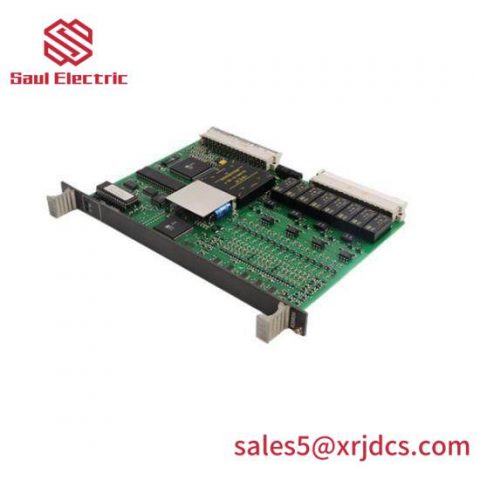

Technical Parameter
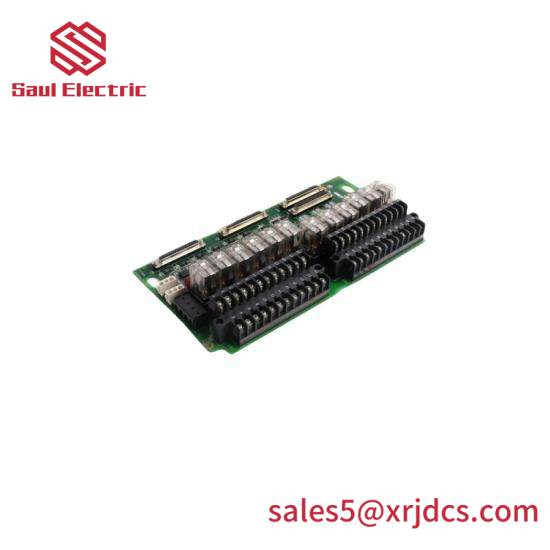
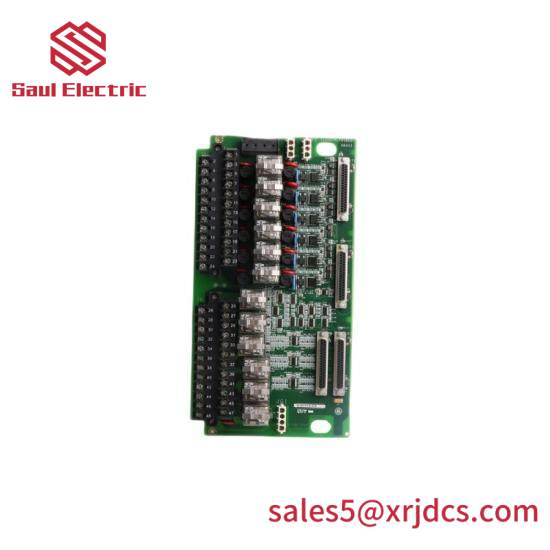
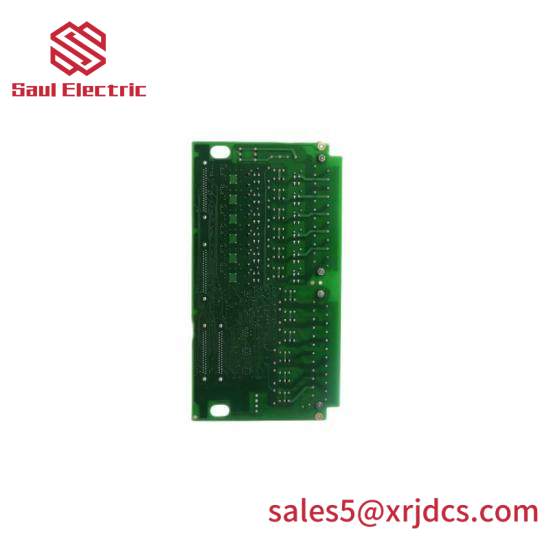
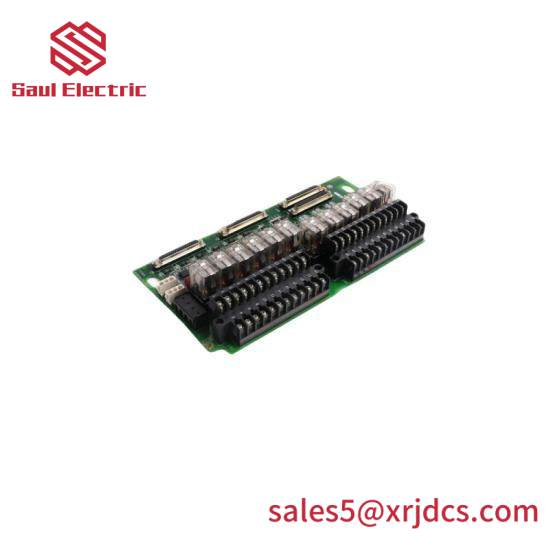
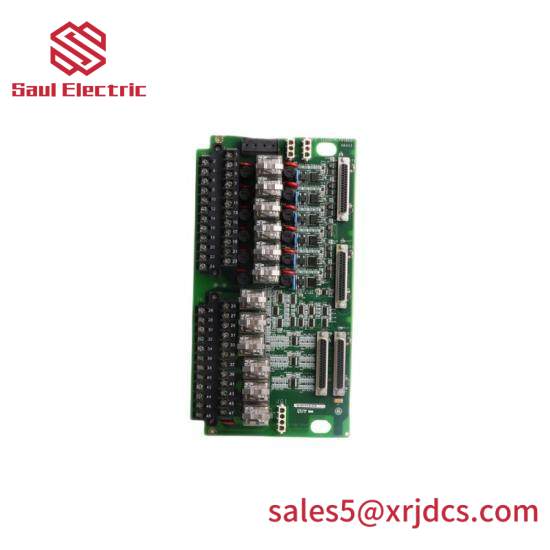
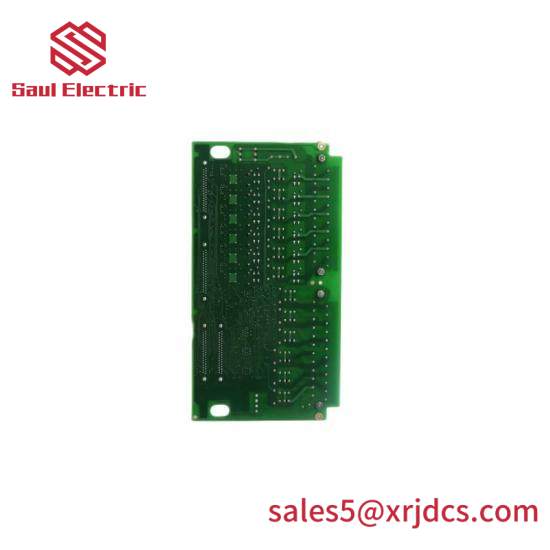
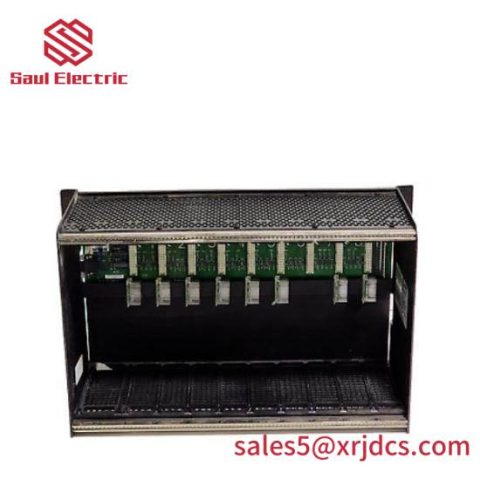
Model:IS200TRLYH1BGG
Type:Relay Terminal Module
Series:Mark VI
Category:Industrial Control Systems
Designation:GE
Dimension (WxHxD):33 cm x 17.8 cm x 5.5 cm
Weight:1.42 kg
Operating Voltage:24 VDC
Number of Relays:16
Contact Rating:5 A @ 240 VAC, 250 VDC
Material:Aluminum alloy
Connection:Terminal block
Mounting:Panel mount
Environmental Rating:IP20
Product Details
The GE IS200TRLYH1BGG is meticulously engineered for seamless integration into GE‘s renowned Mark VIe series of industrial control systems, offering unparalleled precision and reliability.
Crafted from high-grade materials, this relay terminal module ensures durability and longevity, making it a preferred choice for demanding industrial environments.
Its compact yet robust design allows for efficient space utilization, enhancing system scalability without compromising on functionality.
With its advanced relay output capabilities, the GE IS200TRLYH1BGG enables precise control over various industrial processes, significantly boosting operational efficiency and safety.
Ease of installation and compatibility with existing GE PLC systems simplify integration, reducing downtime and maintenance requirements.
***************************************************
Annual hot selling advantage products:
ABB PM665、ABB S-073N、ABB S-123H 3BHB030479R0512
First hand source, affordable price. Spot inventory!
•Shipping Port: Xiamen
•Ship to you via Fedex/DHL/TNT/UPS/EMS
•Package: Original packing with cartons
GE Hot Selling models
GE 151X1215DC20SA01           GE 151X1215DC21MG01          GE 151X1207BC50SA01
GE 151X1215DC10SA01            GE 151X1215DC29SA01          GE IS200EPSMG1AEC
GE 151X1235BC01SA41            GE 151X1235BC01SA01          GE IS200EGDMH1AAB
GE 151X1235DZ10PC35            GE 151X1207BC02SA01          GE 151X1207BC52SA01
What is a DCS?
A Distributed Control System (DCS) is a sophisticated, computer-based control system designed to automate, monitor, and manage complex industrial processes. It is widely used in large-scale industrial facilities such as refineries, power plants, chemical plants, and paper mills, where precision, reliability, and scalability are critical.
How Does a DCS Work?
A DCS is composed of several interconnected components that work seamlessly to ensure efficient process control. Here’s a breakdown of its key elements:
- Controllers:
These are the “brains” of the system. Controllers receive data from sensors, process it using pre-programmed logic, and send output signals to actuators to maintain optimal process conditions. - Sensors:
Sensors act as the “eyes and ears” of the system, measuring critical physical parameters such as temperature, pressure, flow rate, and level. This real-time data is essential for accurate control. - Actuators:
Actuators are the “muscles” of the system. They execute physical actions based on controller commands, such as opening/closing valves, starting/stopping motors, or adjusting dampers. - Operator Stations:
These serve as the human-machine interface (HMI), allowing operators to monitor the process, adjust setpoints, and troubleshoot issues. Modern DCS systems often feature intuitive graphical interfaces for ease of use. - Communication Network:
The backbone of the DCS, this network connects all components, enabling seamless data exchange and coordination. It ensures that every part of the system works in harmony, even across large industrial sites.
Why is a DCS Important?
- Centralized Control with Distributed Execution: A DCS allows for centralized monitoring while distributing control functions across multiple controllers, reducing the risk of system-wide failures.
- Scalability: It can easily expand to accommodate growing operational needs.
- Reliability: Redundant systems and fail-safes ensure continuous operation, even in critical environments.
- Efficiency: Optimizes processes, reduces waste, and improves overall productivity.
About GE:
1. The Mark VIe Control PPDA Power Distribution System Feedback Module, Cat. No. IS220PPDAH1A is intended to be used with accessory control power distribution board Cat. No. IS200JPDSG1A.

2. Mark Vle Controller, Cat Nos. IS220UCSAH1A, IS420UCSBH1A, IS420UCSBH3A, IS420UCSBH4A, IS421UCSBH1A,IS421UCSBH4A and IS420PPNGH1A.

3. Mark VleS Safety Controller, Cat No. IS420UCSBS1A, IS421UCSBS1A.

4. The Mark Vle Control HART Enabled I/O Module, Cat No. IS220PHRAH1A is intended to be used with accessory terminal board Cat.Nos. IS200SHRAH1A, IS200SHRAH2A.

5. The Mark VleS Control HART Enabled I/O Module, Cat No. IS220YHRAS1A is intended to be used with accessory terminal board Cat.Nos. IS200SHRAS1A, IS200SHRAS2A.

6. The Mark VIe Control PTUR Turbine Specific Primary Trip, Cat. No. IS220PTURH1A is intended to be used with accessory terminal board Cat. No. IS200TRPAH1A.

7. The Mark VIe Control YTUR Turbine Specific Primary Trip, Cat. No. IS220YTURS1A is intended to be used with accessory terminal board Cat. Nos. IS200TRPAS1A. Cat. No. IS220YTURS1A with RoHS-compliant internal boards IS400BTURS1A and IS400KTURS1A is intended to be used with accessory terminal board Cat. Nos. IS200TRPAS1A.

8. The Mark VIe Control PPRO Backup Turbine Protection, Cat. Nos. IS220PPROH1A is intended to be used with accessory terminal board Cat. Nos. IS200TREAH1A, IS200TREAH3A, IS200SPROH1A, IS200SPROH2A, IS200TPROH1C, IS200TPROH2C.

9. The Mark VIe Control YPRO Backup Turbine Protection, Cat. Nos. IS220YPROS1A is intended to be used with accessory terminal board Cat. Nos. IS200TREAS1A, IS200SPROS1A, IS200TPROS1C, IS200TPROS2C.
10.The Mark VIe Control PAMC Acoustic Monitoring Input Module, Cat. No. IS210BAPAH1A is intended to be used with accessory terminal board Cat. No. IS210SAMBH1A




There are no reviews yet.