

 English
 العربية


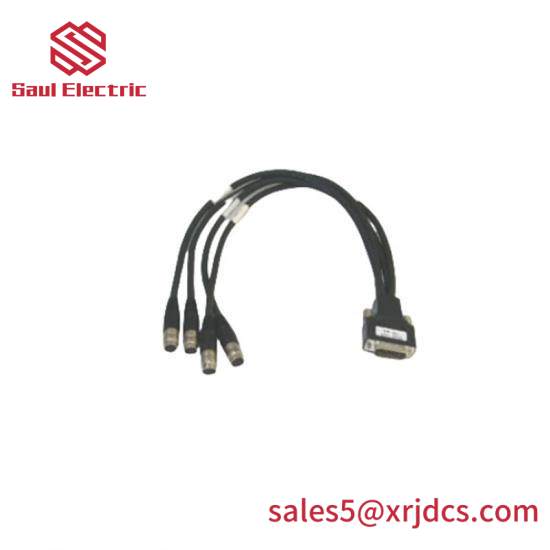
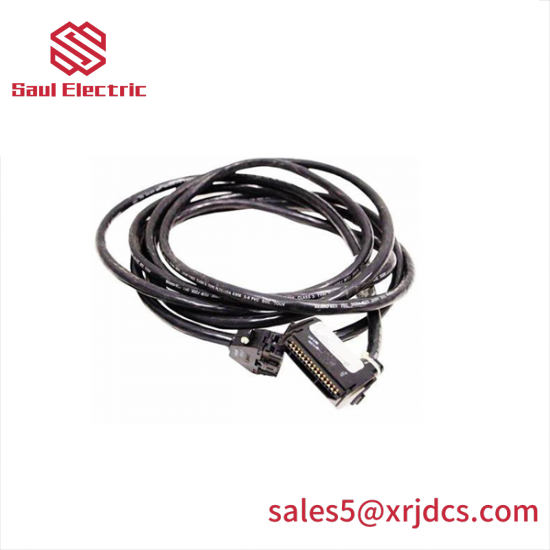
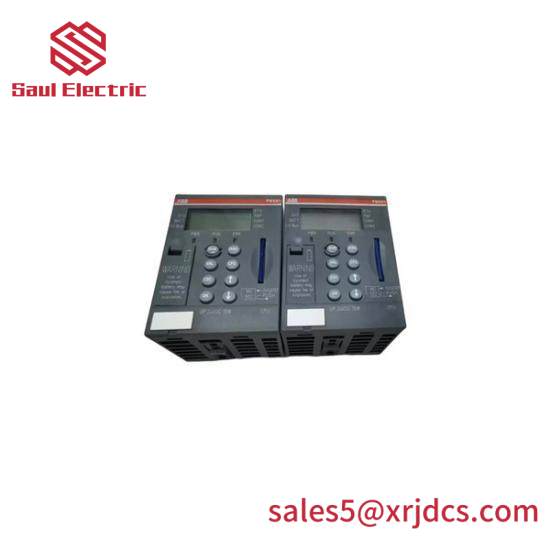
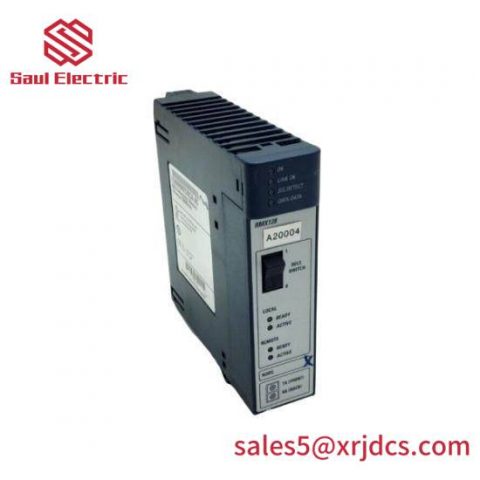
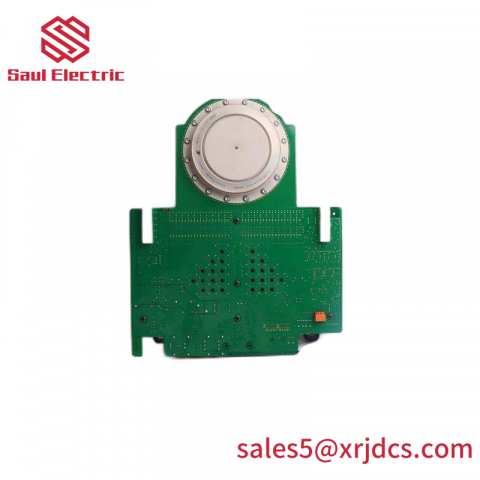

Technical Parameter
Module Type:Industrial Control Module
Brand:ABB
Model:FIS-31A
Submodel:3ADT31360OR1/REV:D
Dimension (D x H x W):200mm x 300mm x 150mm
Weight:5kg
Operating Voltage:220V
Control Protocol:Modbus, Profibus
Temperature Range:-20°C to +60°C
Humidity Range:0% to 95%, non-condensing
Product Introduction
The ABB FIS-31A/3ADT31360OR1/REV:D is a high-precision industrial control module that offers exceptional accuracy in measurement applications. This module is built with state-of-the-art components to ensure long-lasting performance under harsh industrial conditions. Its compact design makes it easy to integrate into existing automation systems without requiring extensive modifications.
Key Features:
– ±0.05% precision for reliable data acquisition
– Wide input range supports various sensor types
– Ultra-fast response time (<1ms) for real-time control
– Robust design withstands temperatures from -20°C to +85°C
– Easy integration with Modbus RTU/ASCII protocol
Applications:
The FIS-31A/3ADT31360OR1/REV:D is widely used in industries such as manufacturing, process control, and automation where precise measurement and control are critical. It can be found in applications like temperature monitoring, pressure sensing, flow measurement, and more.

***************************************************
Annual hot selling advantage products:
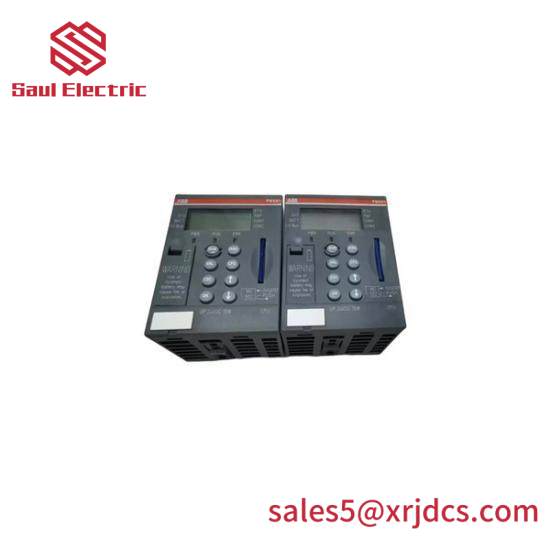
ABB PM891
First hand source, affordable price. Spot inventory!
•Shipping Port: Xiamen
•Ship to you via Fedex/DHL/TNT/UPS/EMS
•Package: Original packing with cartons
?️ABB Hot Selling Inventory:
3BHE023784  5SHY3545L0014          UFC911B106  3BHE037864R0106       5SHY6545L0001 AC10272001R0101      5SHY6545L0001  5SXE10-0181
UFC921A101  3BHE024855R0101        UFC789      3BHE014022P102        5SHY4045L0006 3BHB030310R0001      5SHY4045L0004 3BHB021400R0002
XVC770BE101 3BHE021083R0101        KUC755AE105 3BHB005243R0105       5SHY4045L0004 3BHB021400R0002      5SHY4045L0004  3BHE039203R0101
S-073N      3BHB009884R0021        ACS6000     3BHB011219R0001       5SHY4045L0003 3BHE019719R0101      5SHY4045L0003 3BHB021400
FAQ
Q: Do you provide a warranty for the goods?
A: Yes, we provide a warranty for all the goods from us.
Q: Could you provide technical support?
A: We’re in this field for more than 12 years. If there’s any problem, please contact us, and we’ll provide suggestions from our engineer to help you solve the problem.
Q: Do you keep goods in stock or only trade?
A: We have a large warehouse for goods. We keep lots of items in stock, so we can promise fast delivery.
Q: Are your goods new and original?
A: Yes, they are new and original.
What is a DCS?
A Distributed Control System (DCS) is a sophisticated, computer-based control system designed to automate, monitor, and manage complex industrial processes. It is widely used in large-scale industrial facilities such as refineries, power plants, chemical plants, and paper mills, where precision, reliability, and scalability are critical.
How Does a DCS Work?
A DCS is composed of several interconnected components that work seamlessly to ensure efficient process control. Here’s a breakdown of its key elements:
- Controllers:
These are the “brains” of the system. Controllers receive data from sensors, process it using pre-programmed logic, and send output signals to actuators to maintain optimal process conditions. - Sensors:
Sensors act as the “eyes and ears” of the system, measuring critical physical parameters such as temperature, pressure, flow rate, and level. This real-time data is essential for accurate control. - Actuators:
Actuators are the “muscles” of the system. They execute physical actions based on controller commands, such as opening/closing valves, starting/stopping motors, or adjusting dampers. - Operator Stations:
These serve as the human-machine interface (HMI), allowing operators to monitor the process, adjust setpoints, and troubleshoot issues. Modern DCS systems often feature intuitive graphical interfaces for ease of use. - Communication Network:
The backbone of the DCS, this network connects all components, enabling seamless data exchange and coordination. It ensures that every part of the system works in harmony, even across large industrial sites.
Why is a DCS Important?
- Centralized Control with Distributed Execution: A DCS allows for centralized monitoring while distributing control functions across multiple controllers, reducing the risk of system-wide failures.
- Scalability: It can easily expand to accommodate growing operational needs.
- Reliability: Redundant systems and fail-safes ensure continuous operation, even in critical environments.
- Efficiency: Optimizes processes, reduces waste, and improves overall productivity.


There are no reviews yet.