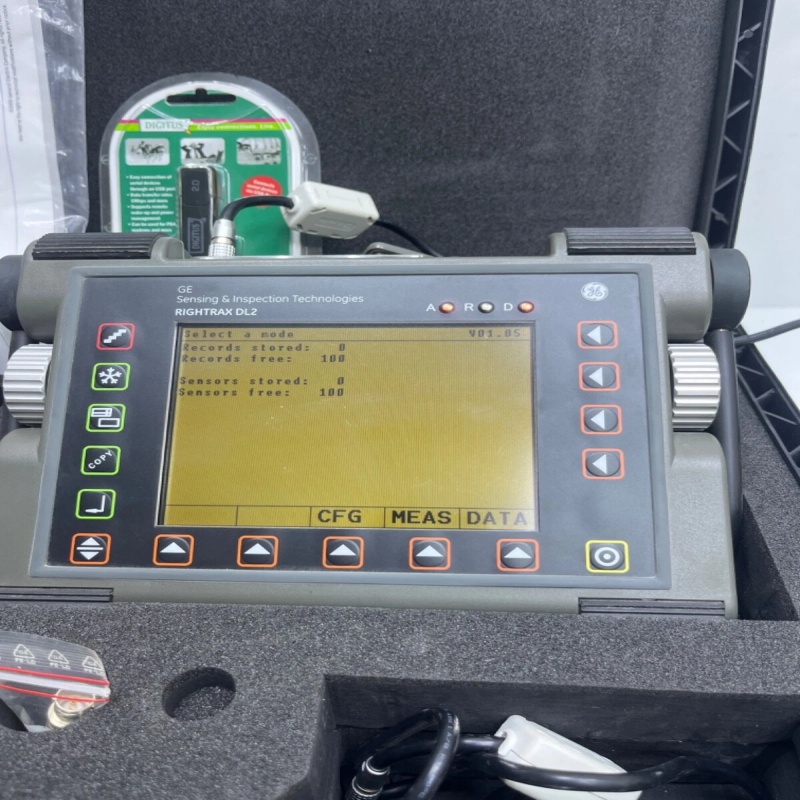
GE USM35X Ultrasonic Flaw Detector – Portable NDT Solution for Weld and Material Inspection
The GE USM35X Ultrasonic Flaw Detector from GE Inspection Technologies is a rugged, high-performance portable instrument designed for non-destructive testing (NDT). Built for field and workshop environments, the USM35X delivers reliable detection of internal defects in welds, pipes, pressure vessels, and metal structures.
This proven Krautkramer-series device remains widely used in the global NDT industry thanks to its durability, accuracy, and powerful ultrasonic performance.
Product Overview
The GE USM35X is engineered for fast and accurate flaw detection across a wide range of industrial applications. Its compact design, long battery life, and IP66 protection rating make it ideal for demanding inspection environments such as oil & gas, power generation, aerospace, and heavy manufacturing.
Primary Functions
- Detection of internal cracks, voids, inclusions, and lack of fusion
- Weld inspection and evaluation
- Thickness measurement and corrosion monitoring
- Inspection of forgings, castings, and structural components
Key Features and Benefits
Rugged Portable Design
- IP66 rated for dust-tight and water-resistant operation
- Designed for outdoor and harsh industrial environments
- Lightweight and ergonomic for field inspection
- Approx. 14-hour battery operation for full-day use
Advanced Color Display
- 5.7-inch high-resolution color TFT screen
- Color-coded A-scan and gates for improved visibility
- VGA output for external monitor connection
- Easy operation with intuitive interface
High-Performance Ultrasonic Capability
- Wide frequency range: 0.2 – 20 MHz
- Gain range up to 110 dB for deep penetration
- Measurement range up to 9,999 mm (steel)
- Dual independent gates for accurate defect positioning
- Supports DAC, TCG, and DGS evaluation methods
Data Storage and Reporting
- Stores up to 800 inspection records
- RS232 and VGA communication interfaces
- Supports inspection documentation and traceability
Technical Specifications
| Parameter |
Specification |
| Frequency Range |
0.2 – 20 MHz |
| Measurement Range |
Up to 9,999 mm (steel) |
| Sound Velocity Range |
1,000 – 15,000 m/s |
| Gain Range |
0 – 110 dB |
| Pulse Repetition Frequency |
4 – 1000 Hz |
| Display |
5.7″ 1/4 VGA Color TFT |
| Data Storage |
800 files |
| Protection Rating |
IP66 |
| Battery Life |
Up to 14 hours |
| Weight |
Approx. 2.2 kg |
Typical Applications
The USM35X is widely used across industries requiring reliable ultrasonic inspection:
- Oil & Gas pipeline inspection
- Power plant and turbine maintenance
- Shipbuilding and offshore structures
- Aerospace component inspection
- Manufacturing quality control
- Structural steel and bridge inspection
Available Models
The USM35X series includes several versions tailored to specific inspection standards:
- USM35X Standard – General flaw detection
- USM35X DAC – Includes Distance Amplitude Curve functionality
- USM35X S – Includes DGS evaluation mode
- USM35X JE – Japanese standards (JIS/JSNDI) compliant
Replacement and Lifecycle Status
The GE USM35X has been officially discontinued, but it remains highly demanded in the secondary market and service sector. Recommended newer models include:
Many facilities continue using the USM35X due to its proven reliability and compatibility with existing inspection procedures.
Why Choose the GE USM35X?
- Proven and trusted ultrasonic flaw detector
- Rugged IP66 design for field inspections
- Excellent detection performance across multiple industries
- Long battery life and portable design
- Reliable data storage and reporting capabilities
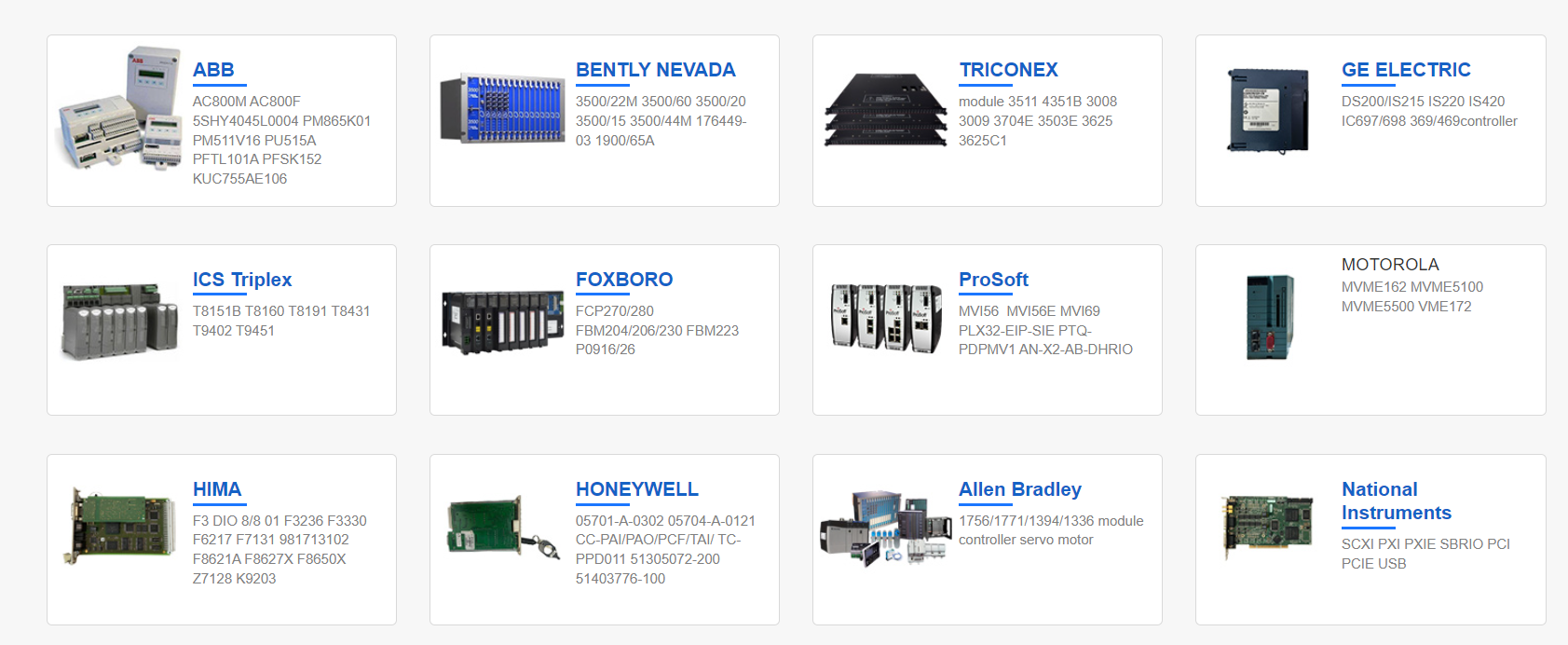
Main Brand:
First hand source, affordable price. Spot inventory!
•Shipping Port: Xiamen
•E-mail: sales5@xrjdcs.com
•Tel: +8618250705533(WhatsApp)
•Ship to you via Fedex/DHL/TNT/UPS/EMS
•Package: Original packing with cartons
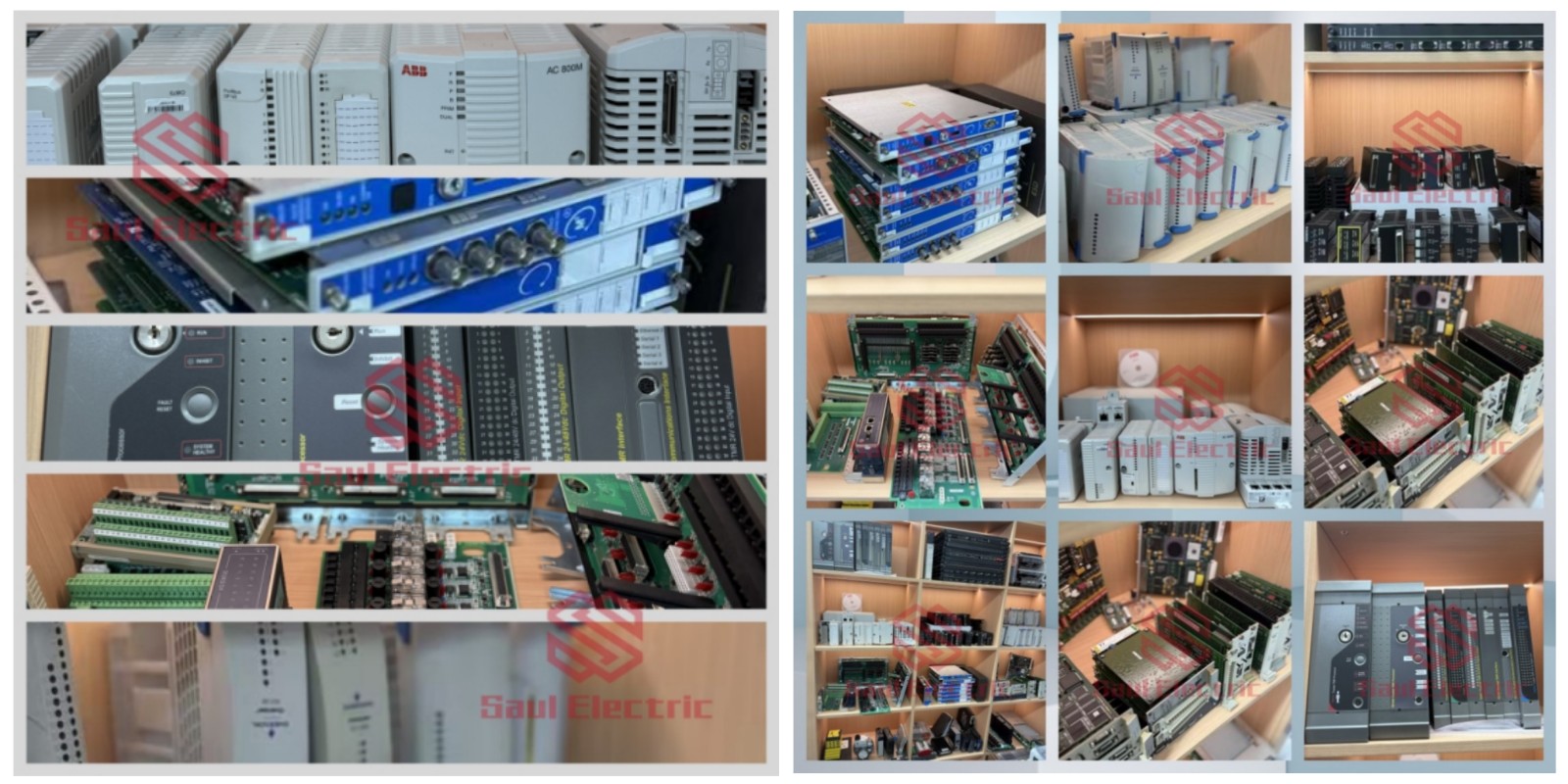
OUR FASTER DELIVERY RATE
Customer support responds quickly.
Partner network spans the globe.
Customers in 152 countries.
No matter where the user is in the world, SAUL ELECTRIC is committed to keeping your machine up and running as soon as possible.
What is a DCS?
A Distributed Control System (DCS) is a sophisticated, computer-based control system designed to automate, monitor, and manage complex industrial processes. It is widely used in large-scale industrial facilities such as refineries, power plants, chemical plants, and paper mills, where precision, reliability, and scalability are critical.
How Does a DCS Work?
A DCS is composed of several interconnected components that work seamlessly to ensure efficient process control. Here’s a breakdown of its key elements:
- Controllers:
These are the “brains” of the system. Controllers receive data from sensors, process it using pre-programmed logic, and send output signals to actuators to maintain optimal process conditions.
- Sensors:
Sensors act as the “eyes and ears” of the system, measuring critical physical parameters such as temperature, pressure, flow rate, and level. This real-time data is essential for accurate control.
- Actuators:
Actuators are the “muscles” of the system. They execute physical actions based on controller commands, such as opening/closing valves, starting/stopping motors, or adjusting dampers.
- Operator Stations:
These serve as the human-machine interface (HMI), allowing operators to monitor the process, adjust setpoints, and troubleshoot issues. Modern DCS systems often feature intuitive graphical interfaces for ease of use.
- Communication Network:
The backbone of the DCS, this network connects all components, enabling seamless data exchange and coordination. It ensures that every part of the system works in harmony, even across large industrial sites.
Why is a DCS Important?
- Centralized Control with Distributed Execution: A DCS allows for centralized monitoring while distributing control functions across multiple controllers, reducing the risk of system-wide failures.
- Scalability: It can easily expand to accommodate growing operational needs.
- Reliability: Redundant systems and fail-safes ensure continuous operation, even in critical environments.
- Efficiency: Optimizes processes, reduces waste, and improves overall productivity.


 English
 العربية


.jpg "GE USM35X(2)")
-480x480.jpg)





There are no reviews yet.