

 English
 العربية


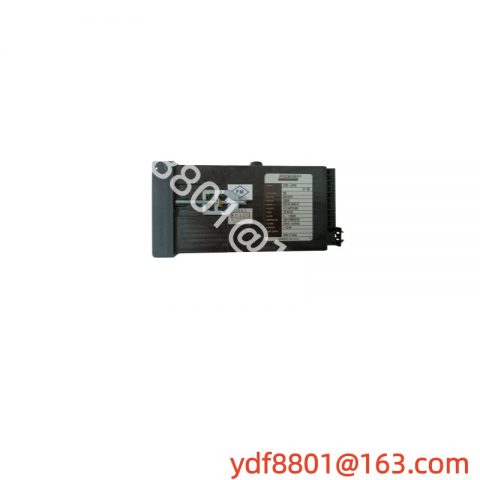

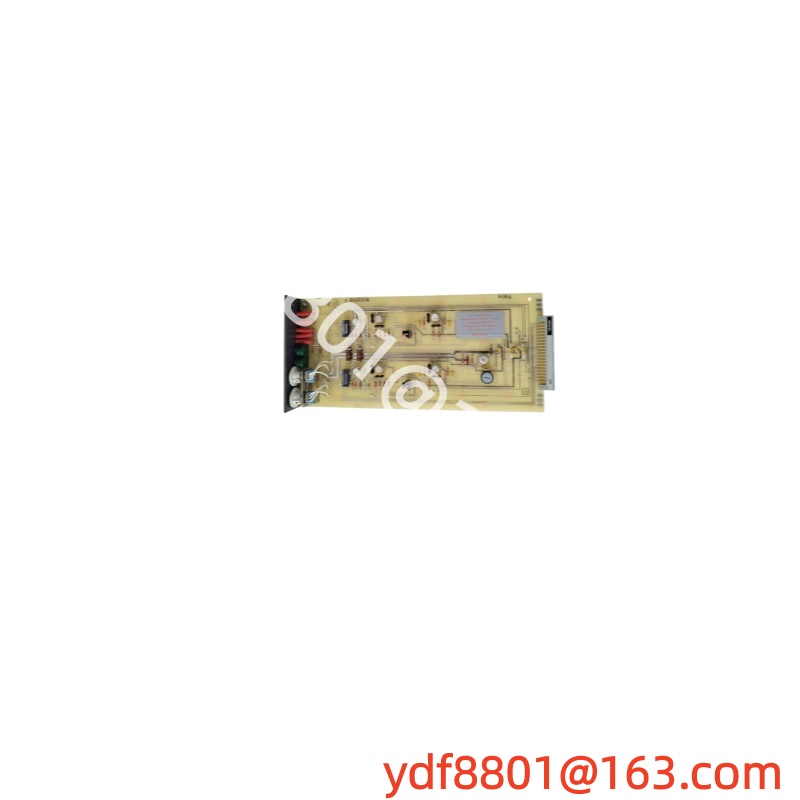
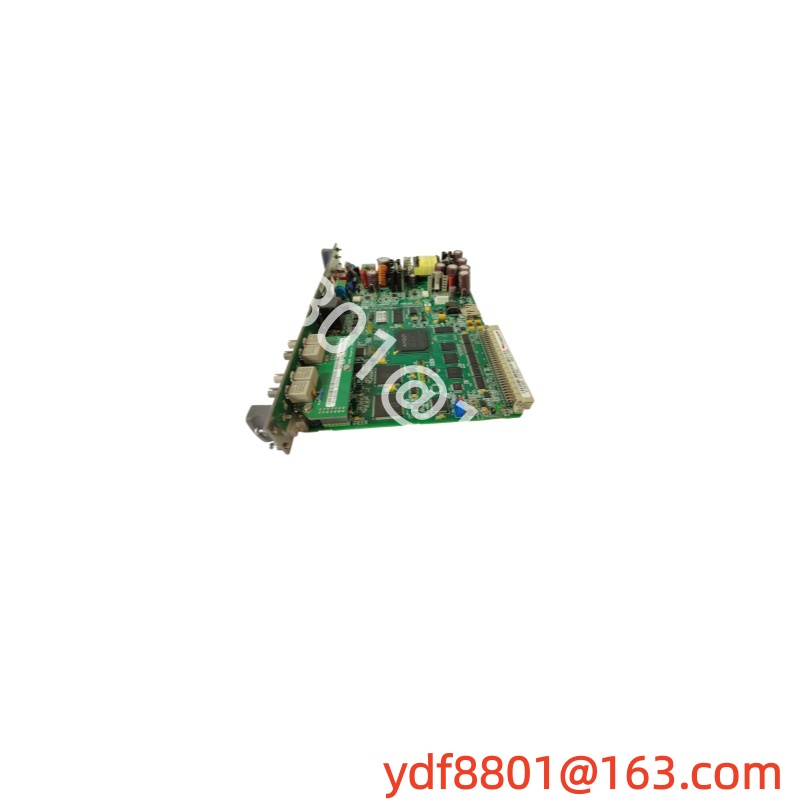
📣The FOXBORO AD202MW is a DNBI (Dual Node Bus Interface) fieldbus gateway module for the Foxboro I/A Series DCS (Schneider Electric / Invensys heritage). It bridges the I/A Series control processor with a DeviceNet field network, enabling real-time data exchange between the DCS and smart field devices such as drives, valve actuators, motor starters, sensors, and remote I/O.
Built for process automation retrofits and greenfield integration, it converts DeviceNet object/model traffic into the I/A Series backplane data space, so operators can monitor and command device-level assets directly from the control room.
🧾Key Specifications
|
Specification
|
Detail
|
|---|---|
|
Brand
|
FOXBORO
|
|
Model
|
AD202MW
|
|
Module Type
|
DNBI – DeviceNet Fieldbus Interface / Dual Node Bus Interface
|
|
System Compatibility
|
Foxboro I/A Series DCS (CP40/CP60 class controllers, FBM I/O)
|
|
Fieldbus Protocol
|
DeviceNet (ODVA CIP over CAN)
|
|
Baud Rates
|
125 / 250 / 500 kbps, software-selectable, auto-baud detect
|
|
Node Address
|
0–63 (MAC ID), rotary/software setting
|
|
Max Field Devices
|
Up to 63 nodes per DeviceNet segment
|
|
Comm Modes
|
Polled, strobed, cyclic, status-change, explicit messaging
|
|
Backplane Power
|
24 V DC (typical 24 VDC ±10%)
|
|
Power Consumption
|
< 8 W (typical)
|
|
Isolation
|
Electrical isolation between DeviceNet trunk and DCS backplane
|
|
Indicators
|
LED status: power, network OK, node active, faults
|
|
Diagnostics
|
Network load, error counters, node online/offline, fault buffering
|
|
Mounting
|
I/A Series rack / DIN-rail carrier
|
|
Operating Temp.
|
0 °C to +60 °C (industrial grade)
|
|
Storage Temp.
|
–40 °C to +85 °C
|
|
Environment
|
G3 harsh-site capable, EMC hardened
|
|
Hot-Swap
|
Supported in redundant I/A configurations
|
|
Certifications
|
CE, UL/cULus, ODVA conformance (typical)
|
Product Overview
The AD202MW sits between the I/A Series controller and the device-level network. On the DeviceNet side it acts as a scanner/slave bridge; on the DCS side it maps I/O data into the control database without custom glue logic.
Its dual-processor architecture separates:
- DeviceNet stack handling (connection management, CIP objects, I/O polling)
- DCS data exchange (backplane DMA, tag mapping, time synchronization)
This keeps scan cycles deterministic even with many nodes, and lets maintenance staff add/remove devices online without stopping the controller.
Core Features
1. DeviceNet-to-DCS Protocol Bridge
Connects I/A Series DCS to DeviceNet-enabled field devices:
- Variable frequency drives
- Smart valves & positioners
- Motor control centers / soft starters
- Remote I/O blocks, encoders, safety relays
2. Flexible Communication Modes
Supports polling, cyclic, status-change, and explicit messaging per ODVA DeviceNet spec, so both high-speed control data and configuration/diagnostic data share one cable.
3. Dual-Node Bus Architecture
Provides resilient dual-path bridging inside the I/A rack; in redundant pairs it supports automatic switchover to avoid communication loss.
4. Online Device Management
- Auto-detect node type and firmware
- Central parameterization & firmware push
- Online add/remove of slaves
- Live network health monitoring
5. Industrial-Grade Reliability
Galvanic isolation, surge/ESD protection, G3 corrosion tolerance, and LED-driven diagnostics make it suitable for refineries, power plants, and heavy manufacturing.
Typical Applications
- Refinery & petrochemical DCS device-level integration
- Power plant auxiliary systems (motors, dampers, actuators)
- Oil & gas pipeline RTU/DeviceNet sensor networks
- Automotive paint shops, conveyors, robotic cell I/O
- Food & beverage packaging lines
- Water/wastewater pump stations with smart motor control


There are no reviews yet.