

 English
 العربية


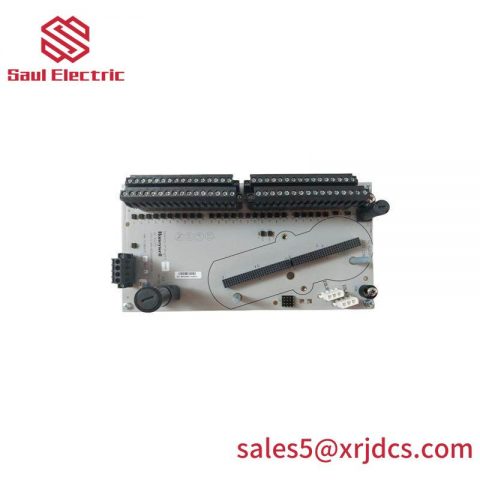
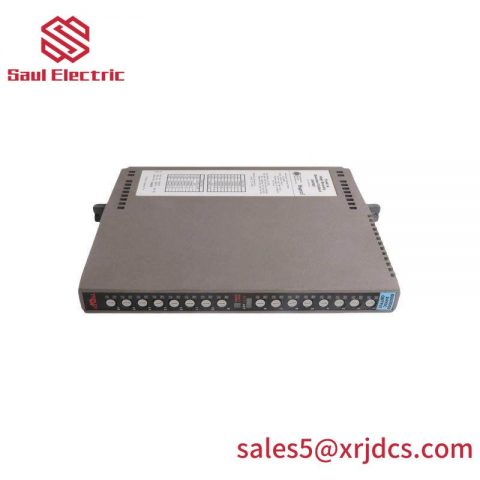

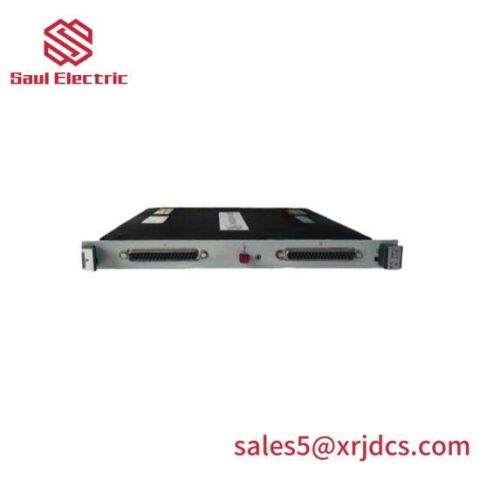
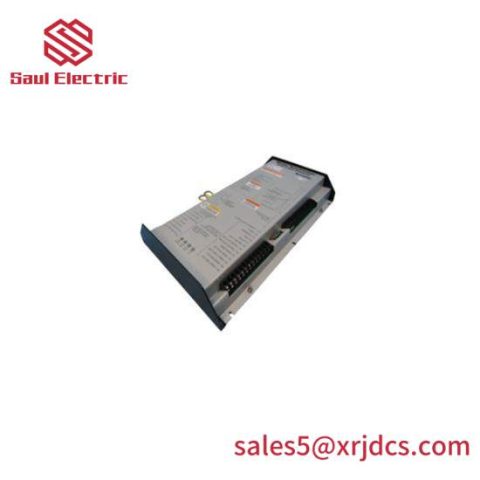
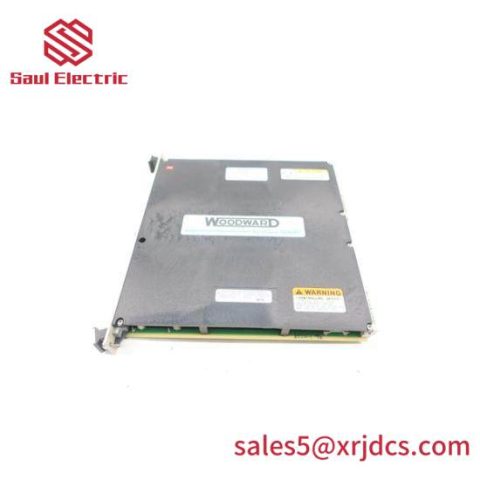
The Woodward 9907-147 ProTech 203 Overspeed Protection system is the 24 V DC de-energize-to-trip version of Woodward’s ProTech® 203 electronic two-out-of-three overspeed protection system. It senses prime-mover speed through three magnetic pickups (MPUs) using three identical, independent speed-sensing units whose trip relays are voted two-out-of-three, providing fail-safe overspeed shutdown fully independent of the prime-mover control system.
Key Features
- Digital overspeed trip device — three MPU speed inputs, three independent speed-sensing units
- Two-out-of-three (2oo3) voting of trip relays — single-unit failure does not compromise protection
- De-energize-to-trip design
- 24 V DC powered (all three units): 18–32 V DC, 5.12 W per unit
- Front-panel LEDs and digital displays: actual speed per probe, highest-speed signal, functional status
- On-line testing capability; modular design allows unit replacement while running
- Speed sampled every 5 ms; total response time 40 ms max
- Remote reset; built-in self-test frequency generator for on-line test of each unit
Technical Specifications
- Part Number: 9907-147
- Product Type: ProTech 203 Overspeed Protection System (digital, 2oo3 voting)
- Trip Configuration: De-energize-to-trip (loss of power trips — Woodward recommended)
- Supply (per unit): 24 V DC (18–32 V DC), 5.12 W per kernel
- Speed Inputs: 3 × magnetic pickups (MPUs)
- Voting: Two-out-of-three (2oo3) relay voting
- Sample Time: every 5 ms
- Total Response Time: 40 ms max
- Display: Front-panel digital displays + LEDs (speed per probe, highest speed, status)
- Testing: On-line testing of each unit with built-in frequency generator; remote reset supported
- Enclosure: NEMA Type 4 / 4X (North America); IP54 (Europe); per manual 85205
- Origin: United States (Woodward)
Installation Notes
- Read Woodward manual 82715 (handling and protection of electronic controls) before installation, handling, or adjustment.
- Connect each unit’s 24 V DC supply (18–32 V) with the correct polarity; note the de-energize-to-trip wiring (loss of supply energizes the trip path).
- Configure trip speed setpoint and MPU parameters via each unit’s front-panel interface; verify with the on-line test function.
- Perform a full trip test (2oo3 voting behavior, response ≤40 ms) before placing the prime mover in service; replace any failed unit online using the modular design.
Common Questions
What does “de-energize-to-trip” mean? The 9907-147 trips the prime mover on loss of power — the fail-safe configuration Woodward recommends, so a supply failure cannot leave the machine unprotected.
Why three units and two-out-of-three voting? Three independent speed-sensing units with 2oo3 voting ensure that a single failed unit (e.g., one MPU or circuit) cannot both miss a genuine overspeed and falsely trip the machine.
What power does each unit need? 24 V DC (18–32 V), 5.12 W per unit — the 9907-147 has three 24 V DC-powered kernels.
How fast does it respond? Speed is sampled every 5 ms, with a total response time of 40 ms maximum.




There are no reviews yet.