Call us 24/7+86 18250705533

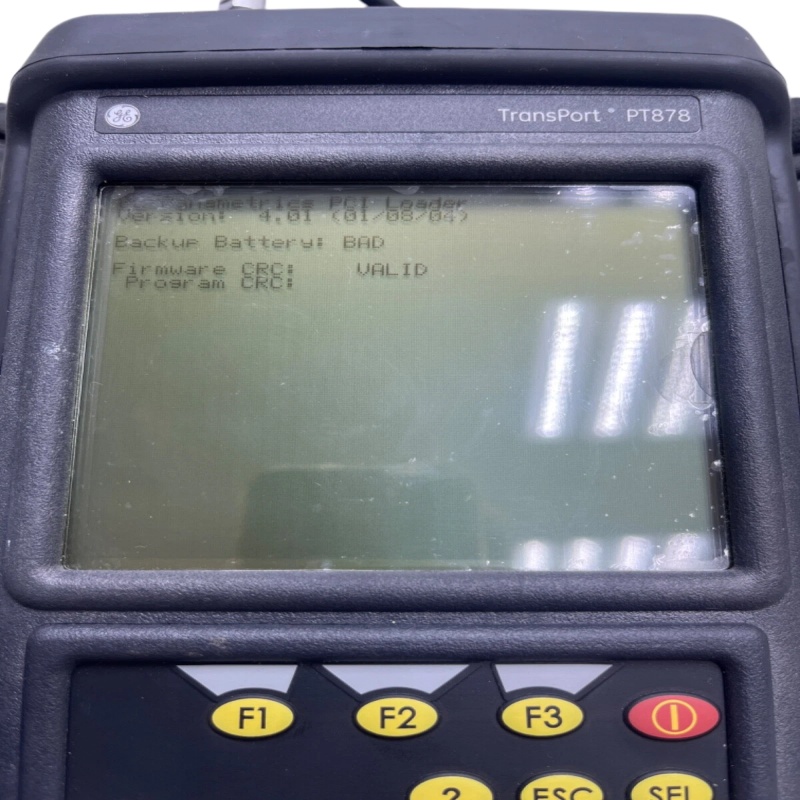
GE PT878-01 flowmeter system

In stock

GE PT878-01 is the electronics/transmitter unit of the portable clamp-on ultrasonic liquid flowmeter system from GE Panametrics (TransPort PT878 family).

SKU: 7561285-1-1-1-1-1-1-1-1-1-3-1-1-1-2-1-1-1-1-2-1-1-1-3-1-2-2-1-1-1-1-1-1-1-1-1-1-1-1-1-1-1-1-1-1-1-1-1
wechatPhone +8618250705533
Phone: +86 18250705533
Email: sales5@xrjdcs.com
connect:Jinny
Image 2

GE PT878-01 Overview

GE PT878-01 is the electronics/transmitter unit of the portable clamp-on ultrasonic liquid flowmeter system from GE Panametrics (TransPort PT878 family). It is widely used for temporary or portable flow measurement in industrial plants, utilities, and field testing.


What the PT878-01 Actually Is

The PT878-01 is the replacement converter/display unit for the PT878 system and typically ships with a carrying case and power supply.

It works together with:

  • Clamp-on ultrasonic transducers
  • Mounting fixtures
  • Optional temperature and thickness probes

Together they form a complete portable ultrasonic flowmeter kit.


Core Technology

The PT878 is a transit-time ultrasonic flowmeter.

How it works:

  • Ultrasonic pulses are sent with and against the flow.
  • The difference in travel time determines flow velocity and direction.
  • Uses digital signal processing and correlation techniques for accuracy even in difficult liquids.

Because the sensors clamp onto the pipe:

  • No pipe cutting
  • No pressure drop
  • No contamination or leakage risk

Key Features

Portable & Non-intrusive

  • Measures flow from outside the pipe
  • Works on metal, plastic, or lined pipes
  • Submersible IP67 enclosure
  • Rechargeable battery (~6–10 hours)

Measurement Capabilities

  • Volumetric flow
  • Flow velocity
  • Totalized flow
  • Energy flow (with temperature inputs)

Accuracy & Performance

  • Typical accuracy:
    • ±1–2% (large pipes)
    • ±2–5% (small pipes)
  • Repeatability: ±0.1–0.3%
  • Velocity range: ±12 m/s (±40 ft/s)

Data & Connectivity

  • Logs 100,000+ data points
  • Infrared data transfer to PC
  • Analog outputs and pulse/frequency outputs

Liquids It Can Measure

Suitable for acoustically conductive liquids, including:

  • Water / wastewater
  • Cooling & heating water
  • Crude oil & fuels
  • Chemicals
  • Beverages
  • Glycol mixtures
  • Some slurries and liquids with small gas bubbles

Pipe size range:

  • 0.5 in to 300 in (12.7 mm – 7.6 m)

Typical Applications

  • Pump performance testing
  • Flow surveys & energy audits
  • Commissioning & troubleshooting
  • Temporary metering during maintenance
  • Leak detection and verification

GE PT878-01


Main Brand:

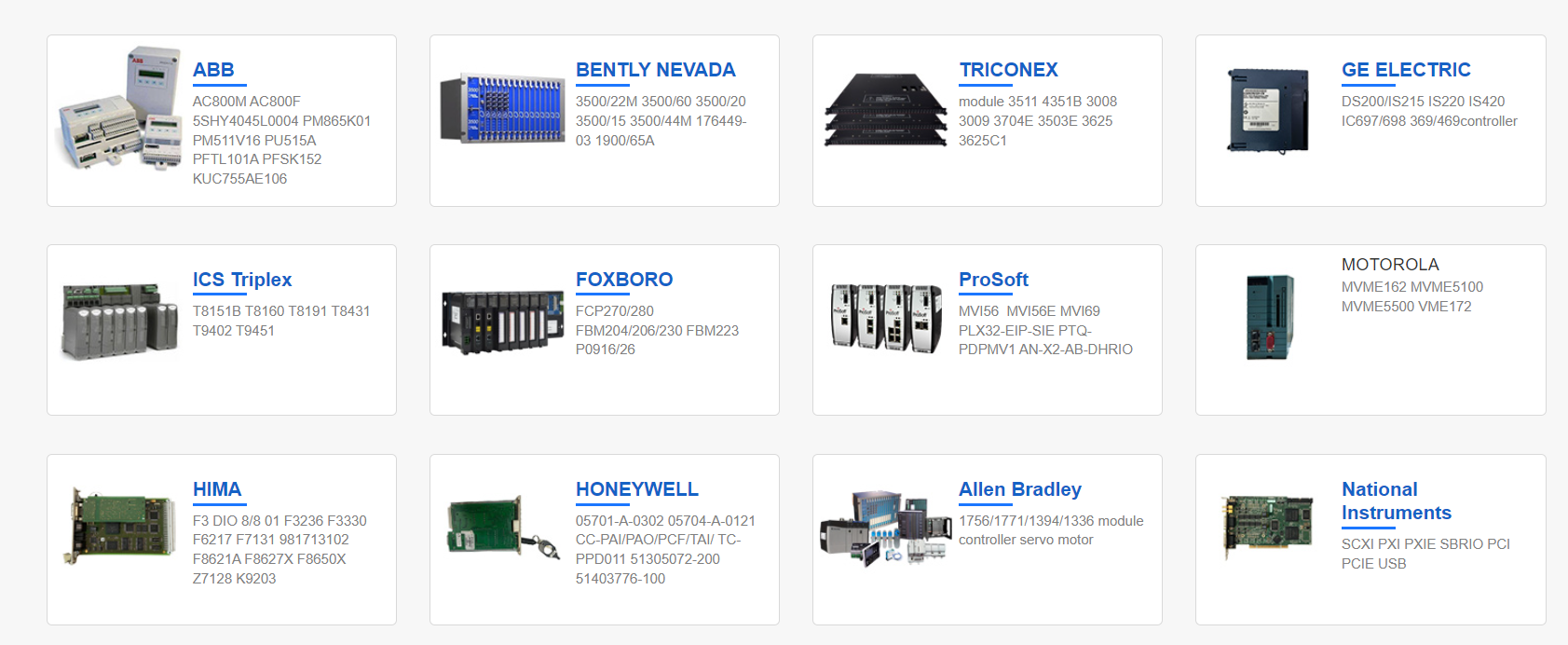
ABB  Allen-Bradley  Alstom Bently  GE  MOOG  Schneider 

Woodward   HIMA   Honeywell   Emerson   Foxboro

First hand source, affordable price. Spot inventory!

•Shipping Port: Xiamen

•Ship to you via Fedex/DHL/TNT/UPS/EMS

•Package: Original packing with cartons
OUR FASTER DELIVERY RATE

Customer support responds quickly.

Partner network spans the globe.

Customers in 152 countries.

No matter where the user is in the world, SAUL ELECTRIC is committed to keeping your machine up and running as soon as possible.

What is a DCS?

Distributed Control System (DCS) is a sophisticated, computer-based control system designed to automate, monitor, and manage complex industrial processes. It is widely used in large-scale industrial facilities such as refineries, power plants, chemical plants, and paper mills, where precision, reliability, and scalability are critical.

How Does a DCS Work?

A DCS is composed of several interconnected components that work seamlessly to ensure efficient process control. Here’s a breakdown of its key elements:

  1. Controllers:
    These are the “brains” of the system. Controllers receive data from sensors, process it using pre-programmed logic, and send output signals to actuators to maintain optimal process conditions.
  2. Sensors:
    Sensors act as the “eyes and ears” of the system, measuring critical physical parameters such as temperature, pressure, flow rate, and level. This real-time data is essential for accurate control.
  3. Actuators:
    Actuators are the “muscles” of the system. They execute physical actions based on controller commands, such as opening/closing valves, starting/stopping motors, or adjusting dampers.
  4. Operator Stations:
    These serve as the human-machine interface (HMI), allowing operators to monitor the process, adjust setpoints, and troubleshoot issues. Modern DCS systems often feature intuitive graphical interfaces for ease of use.
  5. Communication Network:
    The backbone of the DCS, this network connects all components, enabling seamless data exchange and coordination. It ensures that every part of the system works in harmony, even across large industrial sites.

Why is a DCS Important?

  • Centralized Control with Distributed Execution: A DCS allows for centralized monitoring while distributing control functions across multiple controllers, reducing the risk of system-wide failures.
  • Scalability: It can easily expand to accommodate growing operational needs.
  • Reliability: Redundant systems and fail-safes ensure continuous operation, even in critical environments.
  • Efficiency: Optimizes processes, reduces waste, and improves overall productivity.


    Customers reviews

    There are no reviews yet.

    Be the first to review “GE PT878-01 flowmeter system”

    Your email address will not be published. Required fields are marked *

    Search for products

    Back to Top
    Product has been added to your cart
    phone: +86 18250705533
    to whats
    +8618250705533
    to whats
    +8618250705533
    email: sales5@xrjdcs.com