Call us 24/7+86 18250705533

Allen-Bradley 1756-L55M14: The ControlLogix5555 Processor with 3.5 MB Memory Explained

Allen-Bradley 1756-L55M14: The ControlLogix5555 Processor with 3.5 MB Memory Explained
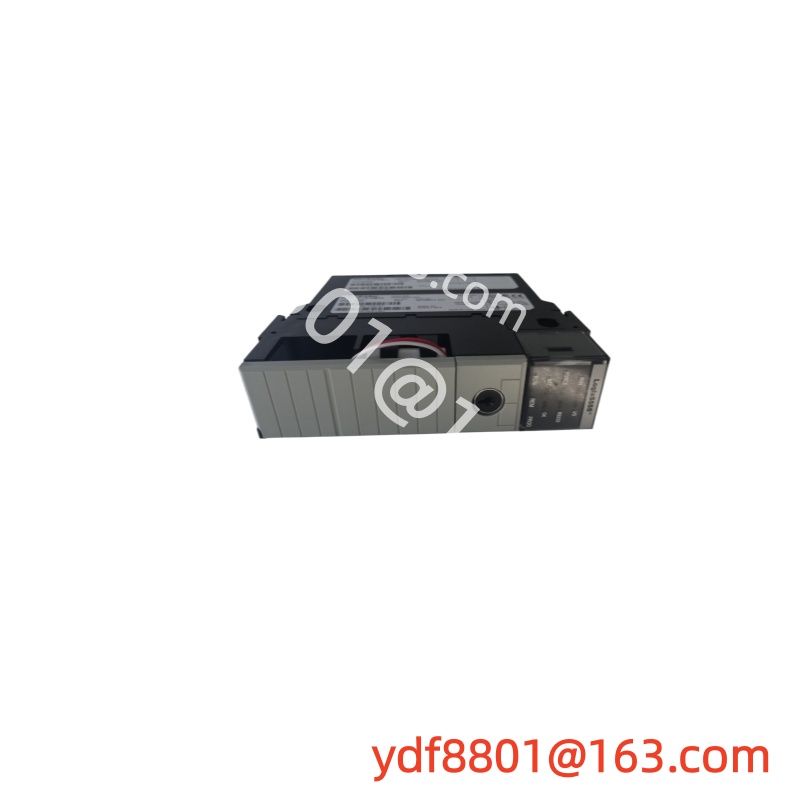
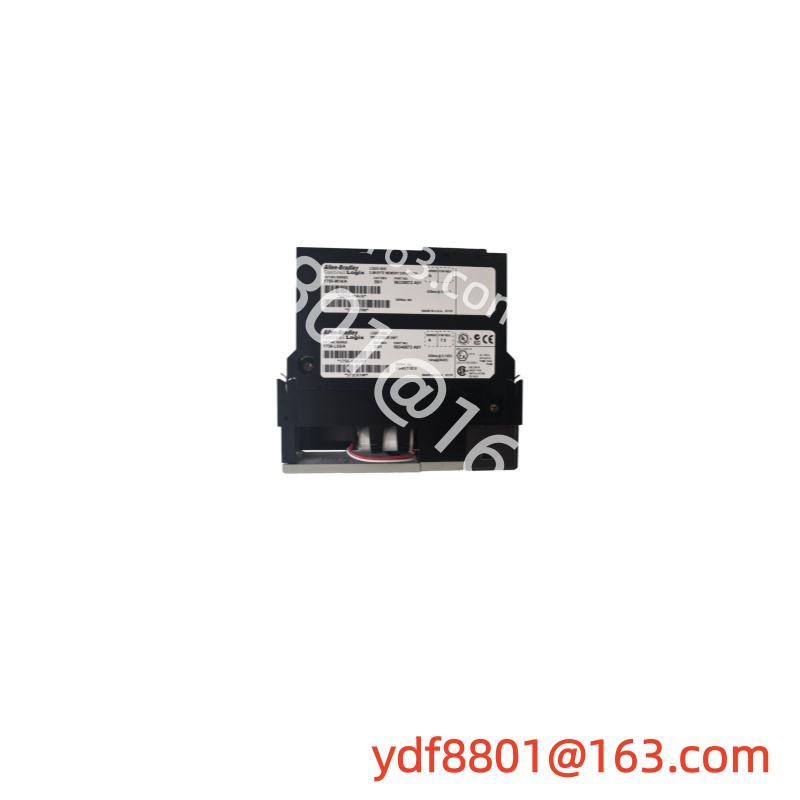
A-B 1756-L55M14 A-B 1756-L55M14

The Allen-Bradley 1756-L55M14​ is a Logix5555 processor module from Rockwell Automation’s classic ControlLogix​ platform. It pairs the 1756-L55 controller base with a 1756-M14 memory board to deliver 3.5 MB of user memory, making it one of the most widely used CPUs in legacy mid-size automation systems.

What Is the 1756-L55M14?

The 1756-L55M14 is a ControlLogix 5555 processor:
  • 1756-L55​ = CPU base (Logix5555 architecture)
  • M14​ = 3.5 MB battery-backed RAM memory board installed on the CPU
  • No on-board non-volatile flash by default — program retention relies on the controller battery (1756-BA1 / 1756-BATM)
It mounts in a standard 1756 ControlLogix chassis (A4/A7/A10/A13/A17 racks) and executes logic under RSLogix 5000 (up to roughly v16 firmware; not supported by Studio 5000 v17+).

Key Specifications

Parameter
1756-L55M14
Platform
ControlLogix (Logix5555)
User memory
3.5 MB (battery-backed RAM)
I/O memory
~208 KB
Max I/O points
128,000 (4,000 AI / 2,000 AO)
Scan time
~0.08 ms typical bit logic
Comms
RS-232 (CH0); Ethernet/ControlNet/DeviceNet via add-on modules
Backplane current
1.23 A @ 5V, 0.014 A @ 24V
Battery
1756-BA1 / 1756-BATM
Temp range
0–60 °C operating
Status
Discontinued by Rockwell

Why the 1756-L55M14 Still Matters

Proven Mid-Tier Control Power

For years, the L55M14 was the sweet spot for line control, batch systems, and machine supervision — enough memory for complex routines without jumping to the larger L6x/L7x tiers.

Battery-Backed Program Model

The 3.5 MB RAM is fast and editable, but depends on a healthy lithium battery. With a good battery and clean power, the controller retains the project through shutdowns.

Drop-In to Existing 1756 Racks

It uses the same chassis, backplane, power supply, and I/O modules as other ControlLogix generations — ideal as a like-for-like spare while a plant delays a full migration.

Network Flexibility via Modules

No native Ethernet port, but with 1756-ENBT/EN2T, CNB, or DNB cards it talks EtherNet/IP, ControlNet, and DeviceNet — enough for most legacy integrations.

Typical Application Scenarios

Manufacturing Lines

Packaging, conveying, assembly, and batch sequencing where RSLogix 5000 v13–v16 projects are already validated.

Power & Utility Aux Systems

Switchgear interlocks, motor control centers, turbine aux controls, and substation SCADA front-ends built on ControlLogix 5555.

Oil & Gas and Compressor Stations

Pipeline compressor control, ESD aux logic, and vendor-package controllers that were shipped with L55-class CPUs.

Legacy System Life-Extension

Many 90s/2000s ControlLogix panels are still running. A tested L55M14 keeps the system alive while the migration business case is evaluated.

Migration Path (When You’re Ready)

If you’re outgrowing 3.5 MB or fighting spare availability:
  • Short-term:​ 1756-L62 (4 MB) or 1756-L63 (8 MB) in same chassis (firmware/project update required)
  • Modern drop-in:​ 1756-L71/L73/L74 (Logix5570, built-in Ethernet, larger memory)
  • Current gen:​ 1756-L8x (Logix5580) with Studio 5000, CIP Security, redundant RM2
Note: L55 → L7x/L8x is not a pure download. You’ll need a controlled project migration, tag reconciliation, and firmware alignment.

Conclusion

The Allen-Bradley 1756-L55M14​ is a field-proven ControlLogix5555 CPU with 3.5 MB of battery-backed memory. It remains a practical spare for legacy 1756 racks and a low-risk way to keep an aging automation system running — as long as you source tested units and respect its battery/firmware limits.
For plants not ready to migrate, stocking a verified L55M14 is cheaper insurance than an unplanned shutdown.

FAQ

Is the 1756-L55M14 still manufactured?
No. Rockwell discontinued the L55 family. Available units are refurbished, surplus, or repaired stock.
Does it have built-in Ethernet?
No. Use a 1756-ENBT/EN2T module in the chassis for EtherNet/IP.
What software programs it?
RSLogix 5000 up to ~v16. It is not supported on Studio 5000 v17+.
What battery does it use?
1756-BA1 or 1756-BATM lithium battery; replace before it flags LOW BAT.
Can I just swap the M14 board for more memory?
No. Memory tier is tied to the CPU configuration; field-upgrading usually means replacing the whole controller.
GE IC693MDL645: The 24VDC Positive/Negative Logic Input Module for Series 90-30 Explained

GE IC693MDL645: The 24VDC Positive/Negative Logic Input Module for Series 90-30 Explained

The GE IC693MDL645​ is a 16-point discrete input module from the GE Fanuc Series 90-30​ programmable logic controller (PLC) platform. It is one of the most commonly specified digital input modules in legacy industrial automation systems — and a critical spare for plants still running 90-30 racks.
GE IC693MDL645

What Is the GE IC693MDL645?

The IC693MDL645 is a 24 VDC digital input module​ with positive/negative logic support. In plain terms: it reads ON/OFF signals from field devices — pushbuttons, limit switches, proximity sensors, auxiliary contacts — and sends that status into the 90-30 CPU.
Key identity points:
  • Platform:​ GE Fanuc Series 90-30
  • Type:​ Discrete (digital) input module
  • Points:​ 16 channels
  • Logic:​ Positive or negative logic (sink/source capable)
  • Mounting:​ Standard 90-30 5-slot or 10-slot baseplate, single I/O slot
The “positive/negative logic” capability is what makes this module flexible: it can be wired to suit different sensor sourcing styles without changing hardware.

Technical Specifications

Parameter
IC693MDL645 Specification
Nominal input voltage
24 VDC
Input voltage range
0–30 VDC
ON-state voltage
11.5–30 VDC
OFF-state voltage
0–5 VDC
Typical input current
~7 mA at 24 VDC
Channels
16 (grouped)
Response time
7 ms ON / 7 ms OFF
Field-to-logic isolation
1500 VAC (typical)
Backplane 5 V current
~80 mA
Isolated 24 V current
~125 mA
Indicators
Per-channel LED + status
Connector
Removable screw terminal board

Why the IC693MDL645 Matters

Flexible Wiring for Real-World Sensors

Many input modules lock you into sink or source only. The IC693MDL645 supports both positive and negative logic, which means fewer wiring headaches when interfacing mixed-vendor sensors.

Rugged Field Isolation

The module uses optical isolation between field side and logic side. In electrically noisy cabinets — pumps, drives, compressors — that isolation protects the CPU and reduces phantom inputs.

Drop-In 90-30 Spare

It installs in any available I/O slot of a 90-30 baseplate. No firmware migration, no rack redesign. For aging systems, that means fast recovery from a failed input group.

Channel-Level Diagnostics

Each input has an LED. During troubleshooting, you can confirm in seconds whether the field device or the logic side is at fault.

Typical Application Scenarios

Power Generation & Utilities

Used for aux contact monitoring, breaker status, trip signals, and local pushbuttons in turbine aux systems and switchgear panels.

Oil & Gas and Compressor Stations

Reads vibration trip switches, pressure sender contacts, valve limit switches, and ESD reset buttons.

Manufacturing and Process Lines

Feeds conveyor interlocks, guard-door switches, e-stop chains, and machine-ready signals into the 90-30 logic.

Legacy System Life-Extension

Many Series 90-30 systems are 20+ years old. Keeping verified IC693MDL645 spares avoids a full PLC migration purely because of one failed input group.

Sourcing and Verification Tips

When buying a GE IC693MDL645, watch for these issues:
  • Confirm exact part number​ on the module label — do not confuse with IC693MDL655 (32-point), IC693MDL634, or RX3i IC695 modules.
  • Ask for a functional test report​ — inputs, LEDs, and isolation should be verified, not just “powers on.”
  • Check terminal hardware​ — confirm screw terminal board is included or ordered separately.
  • ESD and moisture control​ — store in anti-static packaging; these boards are sensitive to mishandling.
  • Match logic wiring​ — positive/negative logic is configurable by wiring, but confirm common wiring against your existing panel drawings.

Conclusion

The GE IC693MDL645​ is a proven, flexible 24 VDC input module for the Series 90-30 platform. With 16 channels, positive/negative logic support, field isolation, and simple rack compatibility, it remains one of the most practical spares for legacy GE Fanuc installations.
For plants running 90-30 systems, stocking a tested IC693MDL645 is a low-cost way to prevent a small I/O failure from becoming an unplanned shutdown.

FAQ

Is the IC693MDL645 used in PACSystems RX3i?
No. It belongs to the Series 90-30 family. RX3i uses IC695-series modules; do not mix them.
What is the difference between IC693MDL645 and IC693MDL655?
MDL645 = 16 inputs, terminal screw block. MDL655 = 32 inputs, high-density connector. Different point counts and wiring.
Can it handle both sink and source sensors?
Yes. With proper common wiring, it supports positive or negative logic input devices.
What software configures it?
Series 90-30 I/O is configured in Proficy Machine Edition / Logic Developer-PLC, using %I input references.

If you need GE DS200DMCBG1AED, you can send us the complete model number, nameplate, or product photograph. Our team can assist with model verification, quotation, availability checking, and procurement support.✨

ABB AXW Water-Cooled Permanent Magnet Motors

ABB AXW Water-Cooled Permanent Magnet Motors

🔷Product Overview

The ABB AXW series of permanent magnet synchronous motors is a new-generation, high-efficiency, compact motor solution developed by ABB for marine and industrial applications. Combining advanced permanent magnet excitation technology with optimized electromagnetic design and a water-jacket cooling structure, the series achieves major breakthroughs in power output, power density and dynamic performance — representing the forefront of motor technology.

ABB

🔷Key Features

  • Ultra-high power output with leading performance
  • Outstanding power factor
  • Excellent dynamic performance
  • Compact water-jacket cooling design available in vertical or horizontal mounting, saving up to 60% of installation space
  • Permanent magnet excitation delivers high efficiency and reliability across both full and partial load operation
  • Frequency converter (VSD) operation at 50/60 Hz, voltages up to 6.6 kV, 2–8 poles, with power ratings up to 5 MW (frame sizes 500–710)

🔷Applications

The AXW series serves a broad range of applications, with the marine sector as its core application scenario:

  • Marine – Ship propulsion systems, including shaft generator propulsion and full electric propulsion, suited to container ships, bulk carriers, cruise ships, offshore vessels and gas carriers, as well as ship auxiliary systems
  • Industrial – Power & energy, water treatment, mining & metallurgy, new energy and other industries
  • Special applications – Space-constrained installations, variable-speed applications, high-temperature environments and low-noise applications

If you need ABB, you can send us the complete model number, nameplate, or product photograph. Our team can assist with model verification, quotation, availability checking, and procurement support.✨


GE Zenith Controls Automatic Transfer Switches (ATS)

GE Zenith Controls Automatic Transfer Switches (ATS)

✔In today’s increasingly complex power environment, the Automatic Transfer Switch (ATS) is the critical switching device that keeps emergency power systems reliable — automatically transferring the load from the normal source to an alternate source the moment normal power fails. With over 90 years of experience designing and manufacturing automatic transfer switches, GE Zenith Controls serves customers in markets worldwide, delivering not only dependable ATS products but also professional, application-specific power solutions.

GE

🎇1. ZTX Series — Compact Transfer Switching for Small-Capacity Applications

The ZTX series is specifically designed for small-capacity applications where simplicity and reliability matter most.

  • Open-transition switching for straightforward, dependable source transfer
  • Ideal for end-of-line (branch circuit) transfer and standby power switching
  • A perfect choice for standby power applications in light commercial and residential installations
  • Available in NEMA 1 or NEMA 3R enclosures to suit both indoor and outdoor installation

🎇2. ZTG Series — Open or Delayed Transition with MX150 Control

The ZTG series lets you choose the transfer mode that fits your load, powered by the advanced MX150 microprocessor control.

  • Two transfer modes: ZGS (open transition) for standard break-before-make transfer, and ZGD (delayed transition) with a programmed center-off position that allows rotating motors and transformer fields to fully decay before re-transfer
  • MX150 microprocessor control system with an integrated LED/LCD user interface for clear, at-a-glance status indication
  • All parameters can be precisely adjusted via the LCD keypad — no special tools required
  • Remote communication capability enables convenient remote monitoring of switch status and system performance

🎇3. ZTGSE / ZTGDSE Series — Entry-Level ATS Cabinet Solutions

The ZTGSE/ZTGDSE series packages everything you need in one enclosure — an entry-level, space-saving ATS cabinet solution.

  • Includes the ZTG series ATS as the core transfer device
  • Integrates the normal-source circuit breaker, surge protective devices and (optional) power quality meters into a single ATS cabinet
  • Monitors the emergency power system while effectively safeguarding power quality
  • One integrated cabinet means less field wiring, faster installation and a cleaner, more reliable installation

🎇4. ZTS Series — High-Performance Transfer with the MX250 Controller

The ZTS series is engineered for mission-critical and emergency power systems, combining the powerful MX250 controller with three transfer modes to cover virtually every application.

  • Three transfer modes: ZSS (open transition), ZSD (delayed transition with center-off time delay) and ZSC (closed transition for make-before-break, virtually interruption-free transfer)
  • Exceptional current-withstand capability far exceeds UL requirements
  • UL 1008 listed for reliable, code-compliant installation
  • For critical loads that cannot tolerate any interruption, bypass-isolation ATS models are available: a quick-make/quick-break manual transfer switch combined with a standard transfer switch allows the ATS to be tested, inspected and serviced without ever de-energizing the load

🎇5. ZTSMV Series — Medium-Voltage Automatic Transfer Switches

The ZTSMV series brings dependable automatic transfer to medium-voltage systems (5–15 kV class).

  • Specially designed for medium-voltage power system transfer
  • Rated current up to 3,000 A
  • Built for business and industrial critical applications that demand reliability and enhanced operation

If you need GE, you can send us the complete model number, nameplate, or product photograph. Our team can assist with model verification, quotation, availability checking, and procurement support.✨

ABB 500BIO01 Binary I/O Module: The Switchyard Interface of REB500 Busbar Protection

ABB 500BIO01 Binary I/O Module: The Switchyard Interface of REB500 Busbar Protection

A busbar protection system can calculate fault currents perfectly, but it still needs one more thing to do its job: it must see the real state of the switchyard and send trip commands back out to the breakers. That interface is the job of binary input/output modules. The ABB 500BIO01, order code 1MRB150005R1K, is exactly that component — the module that connects REB500 protection logic to the circuit breakers and disconnectors it protects.

What Is the ABB 500BIO01?

The 500BIO01 is a binary input/output (BIO) module belonging to the ABB REB500 distributed busbar protection system, now part of the Hitachi Energy portfolio. In a REB500 installation, bay units are distributed across the substation, and each bay unit uses BIO modules as the physical signal interface between the protection electronics and the primary plant.

The module performs two essential functions. First, its binary inputs monitor the auxiliary contacts of circuit breakers and disconnectors, so the protection system always knows which switching devices are open or closed. Second, its binary outputs forward trip commands to the trip relays that operate the breakers. In short, it is the switchyard’s eyes and hands for the protection logic.

Key Advantages of the 500BIO01

Purpose-Built for Protection Duty

This is not a general-purpose PLC card. The 500BIO01 is engineered for the demands of substation protection: continuous duty, harsh electrical environments, and the absolute requirement that a trip command always reaches the breaker. Its design reflects protection-grade reliability standards rather than generic automation requirements.

Opto-Isolated Binary Inputs

The module’s inputs are opto-isolated, which means the protection electronics are galvanically separated from the switchyard circuits they monitor. This isolation protects the logic circuits from voltage transients and interference, and it delivers dependable status acquisition from breaker and disconnector auxiliary contacts even in electrically noisy substations.

Heavy-Duty Relay Outputs

The binary outputs are built to drive trip circuits. They are designed to switch the interposing and trip relays that operate high-voltage breakers, providing the decisive, dependable output stage that protection applications require.

Combined I/O in a Single Module

By combining inputs and outputs in one module, the 500BIO01 reduces the number of cards, connections, and spare part numbers needed per bay. In the compact enclosures of distributed bay units, this saves rack space and simplifies maintenance.

A Perfect Fit for the REB500 Architecture

The REB500 system is decentralized: bay units sit near the switchgear, acquire data locally, and communicate with the central protection unit. The 500BIO01 is designed for exactly this distributed structure, which shortens wiring runs, reduces panel size, and makes substation extensions easier.

Proven Technology with Long Support

REB500 has been in service for more than 15 years across utility and industrial substations worldwide. That installed base means the 500BIO01 is a documented, proven module with an established after-sales and spare-parts channel — essential for operators who plan to run their substations for decades.

Application Scenarios

Utility Transmission and Distribution Substations

In HV and MV substations, the 500BIO01 monitors the status of circuit breakers and disconnectors in each bay and forwards trip commands from the busbar protection to the breakers. This is its core role, and it operates continuously to keep the protection scheme fast and selective.

Busbar Protection Extensions and Retrofits

When a substation gains a new bay or a busbar protection scheme is extended, additional BIO modules are added to the affected bay units. Because the module matches the existing REB500 architecture, extensions are mechanical and electrical plug-ins rather than redesigns.

Renewable Energy and Grid-Connection Substations

Modern REB500 versions support IEC 61850 and are used in solar, wind, and grid-connection substations. The 500BIO01 provides the same dependable switchgear interface in these applications, where busbar protection must keep pace with changing grid configurations.

Industrial High-Voltage Networks

Steel plants, petrochemical complexes, and mines often operate their own HV networks with in-plant substations. Here, the 500BIO01 serves the same protection-interface role, tying busbar protection to the breakers that safeguard critical process power.

Spare-Parts and Maintenance Programs

As a field-replaceable module, the 500BIO01 is commonly stocked as a spare. A verified, tested module on the shelf converts a rare module failure into a short planned replacement, instead of an extended protection outage.

Sourcing and Verification Tips

The 500BIO01 appears under several variant suffixes — R0001, R1/J, R1K — and an alternate reference 1MRB200060/E, so confirm the exact variant and revision against the nameplate and the REB500 bay unit documentation before ordering.

Conclusion

The ABB 500BIO01 is the dependable interface between REB500 busbar protection and the switchyard it protects. With opto-isolated inputs, heavy-duty relay outputs, and a design purpose-built for distributed substation protection, it is a proven, essential module for utilities and industrial operators alike.

FAQ

What system is the ABB 500BIO01 used in?

It is a binary input/output module used in the ABB REB500 distributed busbar protection system, interfacing the protection logic with circuit breakers, disconnectors, and trip relays.

Can it drive breaker trip circuits directly?

Its heavy-duty binary outputs are designed to forward trip commands to the trip and interposing relays that operate the breakers, in line with its role in the REB500 protection scheme.

If you need ABB 500BIO01, you can send us the complete model number, nameplate, or product photograph. Our team can assist with model verification, quotation, availability checking, and procurement support.

ABB 500PSM03A Power Supply Module: The Quiet Backbone of ABB Automation

ABB 500PSM03A Power Supply Module: The Quiet Backbone of ABB Automation

Every automation system needs clean, dependable DC power before it can do anything else. Controllers must boot, drives must power their electronics, and robot cabinets must run their safety and motion hardware. The ABB 500PSM03A, order code 1MRB150038R1, is a compact power supply module designed for exactly that job. This guide explains what this module is, why it matters, and where it is used across industry.

What Is the ABB 500PSM03A?

The 500PSM03A is a compact industrial power supply module from ABB, carrying the ABB order code 1MRB150038R1. It is part of a small family of ABB power modules — including the related 500PSM02 — built to feed low-power DC electronics inside control systems. The module is rated at approximately 100 W of output power, which makes it well suited to powering control boards, communication interfaces, and auxiliary electronics rather than large motors or heavy loads.

In practice, the 500PSM03A is commonly used to power ABB devices such as drives, controllers, and robot control systems. It converts plant power into the stable DC supply these devices need, and in many installations it is found inside the control cabinet, keeping the electronics alive so the machine can do its work.

Key Advantages of the 500PSM03A

Compact, Space-Saving Design

As a small-format module, the 500PSM03A fits easily into control cabinets where space is at a premium. For machine builders and panel designers, that compactness means smaller enclosures, shorter wire runs, and more room for the I/O and controller hardware that actually run the process.

100 W Output Sized for Control Electronics

A 100 W rating is a practical size for automation auxiliaries: enough to power a controller, its communication modules, and associated interface circuitry, without the cost, size, and heat of a large industrial supply. It matches the power profile of modern control hardware almost exactly.

Stable Output for Sensitive Electronics

Control electronics are sensitive to voltage dips and noise. The 500PSM03A is designed to deliver a clean, regulated DC output, which protects downstream boards from the disturbances that cause resets, communication errors, and unexplained machine faults.

Built-In Protection Features

Industrial power modules need to protect themselves and their loads. The 500PSM03A family is specified with protective features including overload protection and EMC compliance, meaning it can handle plant-side disturbances and fault conditions without damaging the equipment it powers.

Wide Input Tolerance for Plant Power Variation

Plant power is rarely perfect. The module’s wide input voltage range lets it ride through the dips and surges common on industrial networks, keeping control electronics powered when supply quality is marginal.

ABB Quality and Long-Term Spare Availability

The 500PSM03A benefits from ABB’s manufacturing quality and from the mature spare-parts market that surrounds ABB automation hardware. For plants running ABB equipment, this means a documented, reliable module that can be replaced years after the original machine was built.

A Genuine Drop-In Spare

Because it carries a standard ABB order code, the 500PSM03A is a true drop-in replacement: same wiring, same mounting, same function. That simplicity keeps repair time short and avoids the engineering effort of reworking a cabinet around a different supply.

Application Scenarios

ABB Drive and Motion Control Panels

In panels that accompany ABB variable-speed drives, the module powers the control and communication electronics, ensuring the drive is ready to run and talk to the plant network.

Robot Control Cabinets

Robot controllers require reliable DC power for their main boards and safety circuits. The 500PSM03A is used in this role, keeping the controller alive and the safety chain powered — a function where a power failure is never acceptable.

PLC and DCS Control Panels

As a general-purpose DC supply in control panels, the module feeds PLC CPUs, communication processors, and I/O interface cards, forming the power backbone of small to medium automation stations.

Machine and Process Line Retrofits

When an original power module in an ABB-based machine fails, the 500PSM03A is frequently sourced as the replacement. Matching the order code 1MRB150038R1 keeps the repair clean, fast, and true to the original design.

OEM and Panel-Building Projects

Panel builders and OEMs standardize on proven power modules. The compact size, clean output, and ABB pedigree make this module an easy choice for new designs that must be reliable and easy to support.

Sourcing and Verification Tips

The market lists both 500PSM03 and 500PSM03A under the order code 1MRB150038R1, so verify the exact revision on the nameplate before purchase. Confirm the input voltage configuration and output rating against the installation’s requirements — some listings also carry secondary assembly references (for example, 894-030375D and 136-011100H) that can help match the exact hardware. As with any industrial spare, buy from a supplier who can confirm the original part number and provide a functional test report.

Conclusion

The ABB 500PSM03A is a compact, dependable power supply module that quietly powers the electronics inside ABB drives, controllers, and robot systems. With its space-saving design, clean regulated output, built-in protection, and true drop-in order code, it is an easy component to specify, easy to stock, and easy to trust.

FAQ

What is the ABB 500PSM03A used for?

It is a compact power supply module used to power ABB automation devices, including drives, controllers, and robot control systems, supplying their control electronics with regulated DC power.

What is the order code for the 500PSM03A?

The ABB order code is 1MRB150038R1, and some listings also reference assembly identifiers such as 894-030375D and 136-011100H.

Is the 500PSM03A still available?

ABB automation hardware of this class is supported through the industrial spare-parts channel, and the module is widely available as a new, refurbished, or tested spare.

If you need ABB 500PSM03A, you can send us the complete model number, nameplate, or product photograph. Our team can assist with model verification, quotation, availability checking, and procurement support.

GE DS200DMCBG1AED: The Mark V Turbine Control Processor Board Explained

GE DS200DMCBG1AED: The Mark V Turbine Control Processor Board Explained

The GE DS200DMCBG1AED is a processor board from GE’s Speedtronic Mark V turbine control system. It is part of the DS200 family of boards that have kept gas and steam turbines running reliably for decades. This guide explains what this board does, why it is valuable, and where you will find it in service.

What Is the DS200DMCBG1AED?

The DS200DMCBG1AED is a DOS/DUP processor board. In GE’s naming, DMCB stands for Drive Master Control Board. It provides the core processing power inside a Mark V turbine control panel. The board handles control logic, communicates with I/O modules, and supports the duplex (redundant) control architecture that Mark V systems are known for.

The “AED” suffix marks an enhanced executable revision of the board. GE introduced this revision to address field reliability issues seen in earlier “A” and “AKB” revisions. For operators, that makes this revision a preferred replacement when an older DMCB fails.

Key Advantages of the DS200DMCBG1AED

Proven Mark V Platform Pedigree

The Mark V is one of the most widely deployed turbine control platforms in the world. A board from this family carries decades of field-proven design. When you install a DS200DMCBG1AED, you are using hardware that was engineered for continuous, demanding turbine duty — not a generic industrial card.

An Enhanced, More Reliable Revision

The AED revision was specifically developed to fix reliability issues found in earlier DMCB revisions. If your panel still runs an older “A” or “AKB” board, upgrading to the AED version is a low-risk way to reduce unexpected trips and extend the life of the control system.

Redundant Processing for High Availability

The “DUP” designation reflects the duplex design philosophy of the Mark V. Redundant processing means that if one channel fails, the other can keep the turbine under control. For a power plant, this is not a convenience — it is the difference between a controlled event and an expensive outage.

Rugged Industrial Design

Turbine control cabinets sit in hot, vibrating, electrically noisy environments. The DS200DMCBG1AED is built to survive those conditions, with the same form factor and connector standards as the rest of the DS200 system, so it installs into existing racks without mechanical changes.

Drop-In Compatibility with Installed Systems

Because it belongs to the DS200 system, the board is compatible with existing Mark V backplanes, power supplies, and I/O. That makes it a practical spare: one verified AED board can return a failed panel to service quickly, without redesigning the cabinet.

Wide Applicability Across Turbine Types

The Mark V controls both gas turbines and steam turbines, in simple cycle, combined cycle, and cogeneration plants. The DMCB serves the same control role across these configurations, so a stock of this board covers a broad installed base.

Application Scenarios

Gas Turbine Power Plants

In gas turbine plants, the DS200DMCBG1AED supports speed and load control, sequencing, and protection functions. When a DMCB fails, the turbine cannot run safely — which is why plants keep this board as a critical spare.

Steam Turbine and Combined Cycle Plants

Steam turbine control uses the same Mark V platform for speed matching, valve management, and coordination with the boiler. The AED board keeps these functions available and reduces the risk of forced shutdowns.

Oil and Gas Compressor Stations

Beyond power generation, Mark V systems control turbine-driven compressors in oil and gas service. Here, a failed control board stops production. A ready spare, verified and tested, is essential for minimizing downtime.

Control Panel Retrofits and Repairs

Many Mark V panels are still in service after 20 years or more. As original boards age out, the DS200DMCBG1AED serves as a direct replacement that preserves the existing architecture — delaying the cost of a full control system upgrade.

Sourcing and Verification Tips

Before buying a DS200DMCBG1AED, check the nameplate revision and the coating style. Some listings in the market mislabel DMCB variants or confuse Mark V with newer Mark VIe hardware, so buy from a supplier who can confirm the exact part number and provide a functional test report. Proper handling and storage matter too — like all processor boards, the DMCB is sensitive to mishandling and moisture.

Conclusion

The GE DS200DMCBG1AED is a proven, enhanced processor board for the Mark V turbine control system. It offers redundant processing, drop-in compatibility, and a revision history that directly addresses field reliability. For power plants and industrial operators running Mark V, it is one of the most valuable spare parts they can stock.

FAQ

Is the DS200DMCBG1AED used in the Mark VIe system?

No. The DMCB family belongs to the Speedtronic Mark V platform. Some online listings confuse the two; always verify the series before purchase.

What does “DUP” mean in the part number?

It reflects the duplex, or redundant, processing architecture of the Mark V control system, where two channels work together to maintain control if one fails.

Why choose the AED revision over an older DMCB?

The AED revision was released to address reliability issues in earlier revisions, making it the preferred choice for replacement and repair.


If you need GE DS200DMCBG1AED, you can send us the complete model number, nameplate, or product photograph. Our team can assist with model verification, quotation, availability checking, and procurement support.

ABB 1MRK002122-ABR00 Communication Module

ABB 1MRK002122-ABR00 Communication Module: Keeping Protection Relays Connected, Reliably

Introduction

A protection relay is only as valuable as its communication. It can measure fault current perfectly, but if its status, alarms, and trip signals cannot reach the control center — or if its settings cannot be updated remotely — the protection system is flying blind. The ABB 1MRK002122-ABR00 is an ABB communication/interface module from the 1MRK002122 order-code family, which serves the ABB Relion line of protection and control IEDs (intelligent electronic devices). It is the link that keeps a numerical protection relay talking to the rest of the substation: to other relays, to station computers, to SCADA, and to the engineering workstation. This article examines what the module does, why its design matters, and where it earns its keep.

What it does

Within a Relion protection installation, the 1MRK002122-ABR00 provides the communication interface for the protection device — carrying the data that makes modern substation automation possible: measured values, status indications, event records, disturbance reports, and setting updates. Communication modules of this family support the protocols that utilities actually use — IEC 61850 for substation automation, DNP3 for SCADA integration, and IEC 60870-5-103 for legacy protection communication — and provide the physical links, including fiber-optic connections, that connect the relay to the station network. The “-ABR00” suffix designates the specific hardware variant, one of several (ABR01, ABR02, ABR03 and others) in the same order-code family, so the module can be matched to the exact IED and communication scheme in service.

Product advantages

The first advantage is reliability engineered for protection duty. Communication in a protection system is not best-effort office networking; it carries life-safety and asset-protection data that must arrive quickly and correctly in a fault. This module is built to ABB’s protection-product standards, designed for continuous service in substation environments and for the deterministic behavior that protection applications demand.

The second advantage is high-speed, redundant connectivity. The family is offered with high-speed and redundant communication links, including multimode fiber-optic interfaces. Redundancy matters because a protection scheme should not have a single point of failure in its signaling path: if one link or path is lost, the protection device remains visible and controllable from the station level. Fiber-optic links additionally provide galvanic isolation and complete immunity to the electromagnetic interference that is unavoidable in switchyards, while supporting the longer distances between relay panels and control rooms.

The third advantage is protocol versatility. Supporting IEC 61850, DNP3, and IEC 60870-5-103 in one module family means the same hardware can serve modern digital substations, brownfield SCADA integrations, and legacy protection schemes. This flexibility is especially valuable in retrofit work, where a new or replacement module must join an existing substation architecture without a wholesale communication redesign.

The fourth advantage is seamless integration with the Relion platform. Designed for ABB’s Relion protection and control IEDs, the module matches the electrical, mechanical, and configuration characteristics of the relay it serves. Configuration and commissioning are handled through the same ABB protection engineering tools as the rest of the IED, which shortens engineering time and reduces the risk of integration errors.

The fifth advantage is its role as a dependable spare. The 1MRK002122 family has a large installed base across utility and industrial protection schemes. For an operator, stocking the correct -ABR variant is a small investment that converts an unplanned communication failure — which can disable visibility of a feeder, transformer, or line bay — into a short, planned replacement.

The sixth advantage is ABB’s track record in protection technology. The 1MRK prefix is ABB’s long-established designation for its protection and control product line, and the module benefits from the same design, testing, and quality assurance culture as the relays it serves.

Application scenarios

The 1MRK002122-ABR00 finds its natural home in substation protection and control. In a transmission or distribution substation, it connects feeder, transformer, and line protection IEDs to the station bus and the SCADA master, so operators see breaker status, alarms, and measurements in real time and can retrieve disturbance records after a fault. In transformer and line differential schemes — such as those built around the Relion 670 series — the communication module carries the high-speed peer-to-peer data that makes differential protection work across the protected zone. In industrial power systems, it links protection relays in plant substations, mining installations, and data centers to the facility’s control and monitoring systems. In distributed generation and renewable plants, it brings inverter-coupled generation and its protection into the grid operator’s visibility. And in the repair and maintenance world, it is frequently sourced as a direct replacement module for an aging or failed communication interface in an existing Relion installation, where matching the order code and variant keeps the panel change simple and the protection scheme out of service for the shortest possible time.

Sourcing note

Because the 1MRK002122 family includes several -ABR variants with different hardware and interface configurations, buyers must confirm the exact suffix against the nameplate of the module being replaced, and verify the communication interfaces (fiber type, protocol options) required by the installation.

Conclusion

The ABB 1MRK002122-ABR00 is a quiet but essential component of modern protection systems: the communication interface that keeps Relion relays visible, controllable, and coordinated. With protection-grade reliability, redundant high-speed links, multi-protocol support, and a mature spare market, it is a component that utilities and industrial operators can depend on — and one worth planning for before the failure, not after.


If you need ABB 1MRK002122-ABR00, you can send us the complete model number, nameplate, or product photograph. Our team can assist with model verification, quotation, availability checking, and procurement support.

ABB 12KG04G-V0002 Operator Panel

ABB 12KG04G-V0002 Operator Panel: The Dependable Face of Industrial Control

Introduction

Every automated system has a face — the panel an operator looks at and touches to run a machine, monitor a process, or change a setpoint. The ABB 12KG04G-V0002, order code 3EGM031400R0002, is exactly such a device: an industrial operator panel and human-machine interface (HMI) unit from ABB, designed for monitoring, operation, and parameter setting in ABB control systems and the machines they drive. Compact, rugged, and straightforward, it belongs to the 12KG family of operator interface units and serves as a reliable window between plant personnel and the automation beneath it.

What it does

The 12KG04G-V0002 combines an industrial display with an integrated membrane keypad, giving operators local visibility and control of a machine or process without needing a PC or a central control room. It communicates with the host controller — typically a PLC, drive, or robot system — over standard serial interfaces (RS-232/RS-485), and is powered from a standard 24 V DC industrial supply. In its normal role it is panel-mounted at the machine or in a field cabinet, where it presents process values, alarms, and status, and accepts commands and parameter changes through its tactile keys.

Product advantages

The first advantage is industrial-grade visibility. The panel uses a high-contrast backlit LCD display, designed to remain readable under the bright, uneven lighting found on factory floors and in outdoor process areas. Operators do not have to squint or shield the screen to see a value or an alarm — a small detail that matters during a process upset.

The second advantage is ruggedness where it is mounted. With an IP65-classified front panel — dust-tight and protected against water jets — the unit survives the washdowns, dust, and splashes that are routine in food, beverage, chemical, and general manufacturing environments. A sealed front also means no moisture or particulate ingress into the electronics behind it, which protects service life in humid or dirty plants.

The third advantage is dependable input. The tactile membrane keypad with dedicated function keys works reliably even when operators wear gloves, and avoids the calibration drift and touch-failure issues that touchscreens can develop over years of service. In environments where hands are greasy, gloved, or wet, physical keys remain the most dependable way to operate equipment.

The fourth advantage is communication flexibility. Standard RS-232 and RS-485 serial connectivity allows the panel to talk to a wide range of industrial controllers, from ABB systems to third-party PLCs and drives. RS-485 in particular supports reliable communication over longer distances and in electrically noisy industrial settings, which suits field-mounted panels connected to a controller in an electrical room.

The fifth advantage is simple, low-risk integration. Powered from 24 V DC — the de facto standard industrial supply — the panel needs no special power infrastructure. Its compact panel-mount format, approximately 144 × 144 mm with a weight of about 1.1 kg, fits standard panel openings and adds negligible load to a cabinet door, simplifying both new builds and retrofits.

The sixth advantage is ABB quality and longevity. Built by one of the world’s leading suppliers of industrial automation, the unit is manufactured to industrial reliability standards and remains available through the spare-parts channel, which matters to plants that intend to run their equipment for decades. A proven HMI is not a place to experiment; it is a place to buy certainty.

Application scenarios

In discrete manufacturing, the 12KG04G-V0002 is mounted on machine tools, packaging lines, and material-handling equipment as the local operator station — start and stop the cycle, view counters, acknowledge alarms, and adjust parameters without walking back to a control room. In process industries, it serves as a field operation station mounted near pumps, valves, and small process units, giving operators local indication and control while the plant runs under a supervisory system. In power generation and utilities, it appears on auxiliary equipment panels — compressors, fans, and water treatment packages — where a compact, rugged HMI is worth more than a full supervisory workstation. In food and beverage plants, its sealed front panel makes it suitable for areas subject to routine washdown. And in the spare-parts world, it is commonly sourced as a direct replacement for an aging or failed panel in an existing ABB installation, where matching the original order code and mounting cutout keeps the retrofit simple and the plant running.

Sourcing note

The 12KG family contains closely related variants — 12KG04G, 12KG04J, 12KG04N, and 12KG04O are all listed under the same order code 3EGM031400R0002 — so buyers must confirm the exact variant and revision on the nameplate, along with the communication interface and display configuration, before ordering. Because distributor descriptions of this family vary, verification against the physical unit and ABB documentation is essential.

Conclusion

The ABB 12KG04G-V0002 is a compact, rugged, and dependable operator panel that puts control where it belongs — at the machine. With an industrial display, sealed front, tactile keypad, serial connectivity, and simple 24 V DC power, it is a low-drama, high-value component of any automation system, and a sensible choice for both new installations and long-term maintenance programs.

If you need ABB 12KG04G-V0002, you can send us the complete model number, nameplate, or product photograph. Our team can assist with model verification, quotation, availability checking, and procurement support.

GE 8851-LC-MT SafetyNet Controller: Certified Functional Safety, Engineered for Real Plants

Introduction

The GE 8851-LC-MT is the SafetyNet Controller at the heart of the PAC8000 SafetyNet system — a functional safety platform developed by MTL Open Systems and brought into the GE Intelligent Platforms portfolio (GE Fanuc). Certified as a programmable electronic safety system to IEC 61508, it is suitable for safety-instrumented functions up to Safety Integrity Level 2 (SIL 2), and is designed to meet the demands of emergency shutdown, fire and gas, and burner management applications in the process industries.

What the controller does

The 8851-LC-MT stores and executes the safety application program, which is developed in the Workbench engineering environment and downloaded to the controller. From its node, it manages every communication path that matters: it reads and writes the SafetyNet I/O modules mounted on the same node through the internal railbus; it talks to other controllers, operator workstations, HMIs, historians, and asset management packages over Ethernet; and it can reach remote serial devices through Modbus serial interfaces. Built on a 1-out-of-1-with-diagnostics (1oo1D) architecture, a single controller, one input module, and one output module are sufficient to implement a complete SIL 2 safety function.

Product advantages

The first advantage is certified functional safety. The SafetyNet system is certified to IEC 61508 as a programmable electronic safety system and has been assessed by TÜV Rheinland against IEC 61508 and IEC 61511, with burn management suitability referenced to NFPA 85. Its safe failure fraction exceeds 90 percent, and as a Type B system it can be used for SIL 2 functions with zero hardware fault tolerance. In practical terms, this means a plant can meet SIL 2 requirements without duplicating controllers and I/O — the diagnostic coverage does the work that redundancy used to do.

The second advantage is a single platform for control and safety. The SafetyNet system shares the fundamental infrastructure of the standard PAC8000 process control platform — the same field terminals, module carriers, and power supplies — and standard and SafetyNet modules can be mixed freely on the same node. Engineers work in one common programming environment for process, logic, and safety applications, which simplifies engineering, training, and spares holding.

The third advantage is open, flexible communications. SafetyNet nodes communicate over a fault-tolerant Ethernet LAN at up to 100 Mbit/s with one another, with standard control nodes, HMIs, historians, and asset management tools. Modbus TCP provides fast real-time data exchange with existing process automation systems, while Modbus serial (RS485) connects legacy equipment without an Ethernet interface. For safety functions whose inputs and outputs sit on different nodes, the SafetyNet P2P protocol provides certified SIL 2 peer-to-peer communication.

The fourth advantage is availability. Redundant controllers can be fitted with entirely bumpless transfer, and redundancy is available for power supplies and the fault-tolerant network. The result is a safety system with high availability and a reduced probability of spurious trips — a critical economic factor in continuous process plants, where an unnecessary shutdown can cost more than a genuine one.

The fifth advantage is ruggedness. The controller is designed for harsh and hazardous environments: an operating ambient range of −40 °C to +70 °C, suitability for Zone 2 / Class 1 Division 2 hazardous-area mounting, G3 corrosion resistance, and enhanced shock and vibration capability. Safety hardware can therefore be mounted in the field, close to the process, supporting a genuinely distributed architecture.

The sixth advantage is engineering and maintenance support. Workbench provides IEC 61131-3 languages — ladder, function block, and structured text — plus static analysis and logic comparison tools and a change control log. Access control is layered: safety-related access is limited to users with safety responsibility, downloads are restricted to trusted hosts, an override key switch gates parameter changes, and each controller can be password protected. On-line changes are supported where local practice allows, and maintenance overrides let operators manage field instruments in compliance with TÜV guidance. Removable field terminals and hot-swappable modules mean replacement work rarely disturbs field wiring.

The seventh advantage is diagnostics and event capture. The controller time-stamps data from SafetyNet modules with better than 200 ms resolution and can record up to 8,000 events, with higher-resolution sequence-of-events capability available through dedicated modules. Earth leakage fault detection can be implemented with the dedicated controller carrier, adding another layer of protection for personnel and equipment.

Application scenarios

The 8851-LC-MT is at home wherever process safety matters. In oil and gas production and refining, it implements emergency shutdown systems that isolate feed lines, close valves, and stop rotating equipment in a defined, tested sequence. In chemical plants, it provides the safety logic for reactor protection and interlock systems, where reliable shutdown on demand is non-negotiable. In power generation, it supports burner management and safety-related boiler protection. Fire and gas systems use it to combine detection inputs — gas, flame, heat, and smoke — into graded, credible alarm and shutdown responses. Offshore platforms and pipeline stations benefit from its hazardous-area rating and rugged environmental envelope. Because it can be field-mounted and distributed, it suits brownfield upgrades where control-room space is tight and new marshalling cabinets would be disproportionately expensive.

Sourcing note

The 8851-LC-MT is a mature, field-proven product within GE’s legacy SafetyNet line. Buyers should confirm the controller revision, its Workbench software compatibility (the associated programming package is 8841-LC-MT), and the availability of the supporting carriers and SafetyNet I/O modules, since a safety system is only as dependable as its complete, verified spare chain.

Conclusion

The GE 8851-LC-MT delivers certified SIL 2 functional safety without the traditional cost of redundant hardware, on an open platform that integrates with existing control systems and survives the harshest process environments. For plants seeking a rigorous, maintainable safety solution, it remains a compelling and proven choice.

If you need GE 8851-LC-MT, you can send us the complete model number, nameplate, or product photograph. Our team can assist with model verification, quotation, availability checking, and procurement support.

Search for products

Back to Top
Product has been added to your cart
phone: +86 18250705533
to whats
+8618250705533
to whats
+8618250705533
email: sales5@xrjdcs.com